

Sustainability · 2025
In this section52 topics
- Sustainability Policy & Goals — Overview1 item
- Sustainability Policy2 items
- Sustainability Goals & UN SDGs4 items
- Policy Review3 items
- Business Value Chain1 item
- Stakeholder Analysis2 items
- Environmental Policy & Guidelines4 items
- Environmental Policy Review3 items
- Energy — Plan & Guidelines2 items
- Energy — Electricity Consumption1 item
- Energy — Fuel Consumption1 item
- Energy — Targets2 items
- Energy — Performance & Outcomes2 items
- Water — Plan & Guidelines2 items
- Water — Withdrawal, Discharge & Consumption1 item
- Water — Targets2 items
- Water — Performance & Outcomes2 items
- Waste — Plan & Guidelines2 items
- Waste — Generation, Disposal & Recycling1 item
- Waste — Targets2 items
- Waste — Performance & Outcomes2 items
- GHG — Plan & Guidelines3 items
- GHG — Emissions1 item
- GHG — Emissions Verification4 items
- GHG — Principles & Standards1 item
- GHG — Targets1 item
- GHG Targets — Net Zero1 item
- GHG — Performance & Outcomes2 items
- Environmental Legal Incidents1 item
- Other Environmental Management1 item
- Social Policy & Guidelines4 items
- Social Policy Review3 items
- Social — Principles & Standards Practised1 item
- Human Rights Due Diligence2 items
- Employees — Plan & Guidelines2 items
- Employees — Workforce3 items
- Employees — Remuneration & Provident Fund2 items
- Employees — Training & Development2 items
- Employees — Occupational Health & Safety2 items
- Employees — Labour Relations2 items
- Employees — Employee Representation3 items
- Employees — Targets3 items
- Employees — Performance & Outcomes2 items
- Customers — Plan & Guidelines2 items
- Customers — Satisfaction Results2 items
- Customers — Targets3 items
- Customers — Performance & Outcomes2 items
- Community & Social — Plan & Guidelines2 items
- Community & Social — Targets3 items
- Community & Social — Performance & Outcomes2 items
- Other Social Management1 item
- Law Violation Incidents2 items
Sustainability Policy & Goals — Overview
Introduction
As a premier property development company, the Company is committed to driving sustainable growth by embedding material sustainability considerations into its corporate strategy and objectives. The Company's approach is grounded in good governance and transparency, while creating shared value across all stakeholder groups. This encompasses: caring for the well-being of the Company's employees and contractors' workforce, delivering exceptional value to customers aligned with the Company's purpose to "Create Value for People and the World", and managing the Company's environmental footprint through efficient greenhouse gas emissions and natural resource management. Through this integrated approach, the Company aims to achieve sustainable growth that balances financial performance with meaningful social and environmental impact.
Sustainability Policy
Has a Sustainability Policy
Yes
Policy Description
Sustainability Policy
Conduct business operations based on both short-term and long-term strategies, guided by the risk management policy.
The Company formulates business growth strategies for both short-term and long-term, while maintaining flexibility for potential adjustments as needed, considering all-around internal and external risk factors.
Operate business with transparency in accordance with Corporate Governance policy as well as Anti-Corruption policy and Measures.
The Company has a policy to conduct business in transparent and accountable practices, fostering ethical behaviour, and combating fraud and corruption throughout all business processes.
Operate the business with consideration for all stakeholders, following policy on human rights and personal data protection policy and guidelines, safety, occupational health, and the working environment.
The Company strives to minimise any direct or indirect adverse impacts on stakeholders, the surrounding community, and society at large, or to create none at all. It is also genuinely determined to uphold and share fundamental values.
Embrace environmental responsibility in business operations.
The Company has a policy to optimise natural resource management and raise awareness about minimising or entirely eliminating environmental impacts on both the environment and the community during operations. It also recognises the direct impact from its business operation on the greenhouse gas emissions and the climate change.
The Structure of Sustainability and Corporate Governance
The Board of Director has appointed the Sustainability and Corporate Governance Committee to oversee and review Company’s operation in economic, social, environmental dimensions and climate change, along with ESG to ensure its alignment with business strategies. The Sustainability and Corporate Governance Committee is responsible for expressing their opinions on the decision making of the Board of Directors and is authorised to make decisions on significant matters as assigned. It is required to regularly report its performance to the Board of Director. In addition, the Committee also supervises the Sustainability Core Team, which plays a vital role in the systematic implementation and management of these aspects:
Climate Governance and Resilience: Oversee the assessment of the climate risk and opportunities in alliance with the Risk Committee, as well as to be in charge of the formulation of resilience-building strategies and the environmental initiatives to achieve greenhouse gas emission reduction targets.
Health and Safety Oversight: Rigorously oversee and monitor occupational health and safety policies in collaboration with the Occupational Health, Safety, and Working Environment Committee (OHS Committee), with a focus on fostering a "Zero Tolerance / Zero Accident" safety culture. This covers employees, contractors, and on-site workers across all company operations, with the aim of minimizing the risk of occupational injuries and illnesses while promoting the overall well-being of all personnel in the workplace.
Human Rights Oversight: Oversee the implementation of a comprehensive human rights due diligence process throughout the supply chain to effectively prevent, address, and mitigate impacts on the rights and freedoms of all stakeholder groups.
Sustainable Value Creation: Advocate for business approaches that equitably balances profitability with the creation of shared value for customers, society, communities, and all stakeholders, guided by principles of transparent and accountable governance.Promote business practices that strike a balance between profitability and the creation of shared value for customers, society, communities, and all stakeholders, guided by the principles of transparent and accountable governance.
(For further details, please refer to the section “7.1 Organisational Structure”.)
Note: * The Company’s Vice President, Executive Committee, and Chief Executive Officer serve as members of the Sustainability and Corporate Governance Committee, the Risk Management Committee, and the Chairman of the Sustainability Core Team, respectively.
**The Chief Sustainability Officer serves as a member of the Sustainable Business Development Working Committee. The Committee comprises representatives from all relevant business functions, covering economic, social, environmental, and governance (ESG) dimensions, and addressing the Company's key material topics and strategic objectives. Members of the Working Committee serve a term of two years
2. Material Issues for Sustainable Business Development
The Company has assessed and prioritised the issues that are crucial for sustainable business development by using the Double Materiality Analysis method, which examines the organisation’s impact on the environment and society. It encompasses environmental, social, and governance (ESG) factors, as well as external financial impacts on costs, revenue, and enterprise value. The identification of material issues for the organisation aligns with relevant laws, regulations, and ESG issues pertinent to the Company’s operations, stakeholders, short- and long-term business strategies, and goals. This process is under the GRI Standards 2021 international reporting standards and framework. Subsequently, the Company integrates these findings into its business strategy and manages related operations based on materiality.
2.1 Impact Assessment Process and Determination of Material Issues
Analysing ESG Issues Across the Value Chain
Identifying Risks, and Opportunities from Impacts on Internal and External Stakeholders
Evaluating the Impact on Financial Value Related to Each Issue
Prioritising Key Issues for the Company and Stakeholders
Analysing ESG Issues Across the Value Chain
The Company identifies preliminary ESG issues by analysing and comprehending the organisational context, including activities across the organisation's value chain. This involves studying global trends and the operations of industry groups, international ESG reporting standards and frameworks. As a result, 18 primary material issues relevant to and of interest to stakeholders have been identified as follows.
Environmental | Social | Governance and Economic |
|
|
|
Identifying Risks, and Opportunities from Impacts on Internal and External Stakeholders
The Company collaborates with external experts to analyse ESG material issues comprehensively and assess their impact on business risks and opportunities across all activities throughout the value chain, including company products and services. The findings of this analysis are utilized to facilitate workshops aimed at gathering input on alignment with business strategies and goals from stakeholders including senior executives, customers, employees, partners, contractors, and labour. The objective is to identify the issues valued by stakeholders and priorities impacts, risks, and opportunities of issues that have occurred, including opportunities that may occur to such issues in the future by assessing the Company’s availability of its current management and personnel.
Evaluating the Impact on Financial Value Related to Each Issue
In evaluating the impact on financial value, the Company has taken into account risks and opportunities, solicited input from stakeholders, and studied them across dimensions such as financial value, operations, reputation, and regulations. This enables the Company to gain a full understanding of the sustainability impacts of its business and financial significance and value of each issue.
Prioritising Key Issues for the Company and Stakeholders
Prioritisation is determined by assessing the impact, risks, and opportunities on both the business and stakeholders, together with the financial impact. ESG issues that have a high impact on the business, stakeholders, and finance are identified as top priorities for the Company's attention. At the organisational level, established policies and indicators are in place, along with a dedicated working group or committee responsible for addressing these issues. Regular operations, monitoring, and continuous improvement are conducted.
Following the analysis and prioritisation of these material issues, the Company proposes them to the Corporate Sustainability and Governance Committee, the Chief Executive Officer, the Chief Corporate Support Officer, and the individual with the highest responsibility for accounting and finance, all of whom hold positions on the Company's Board of Directors. They consider and approve these important issues to drive the sustainability of the business.
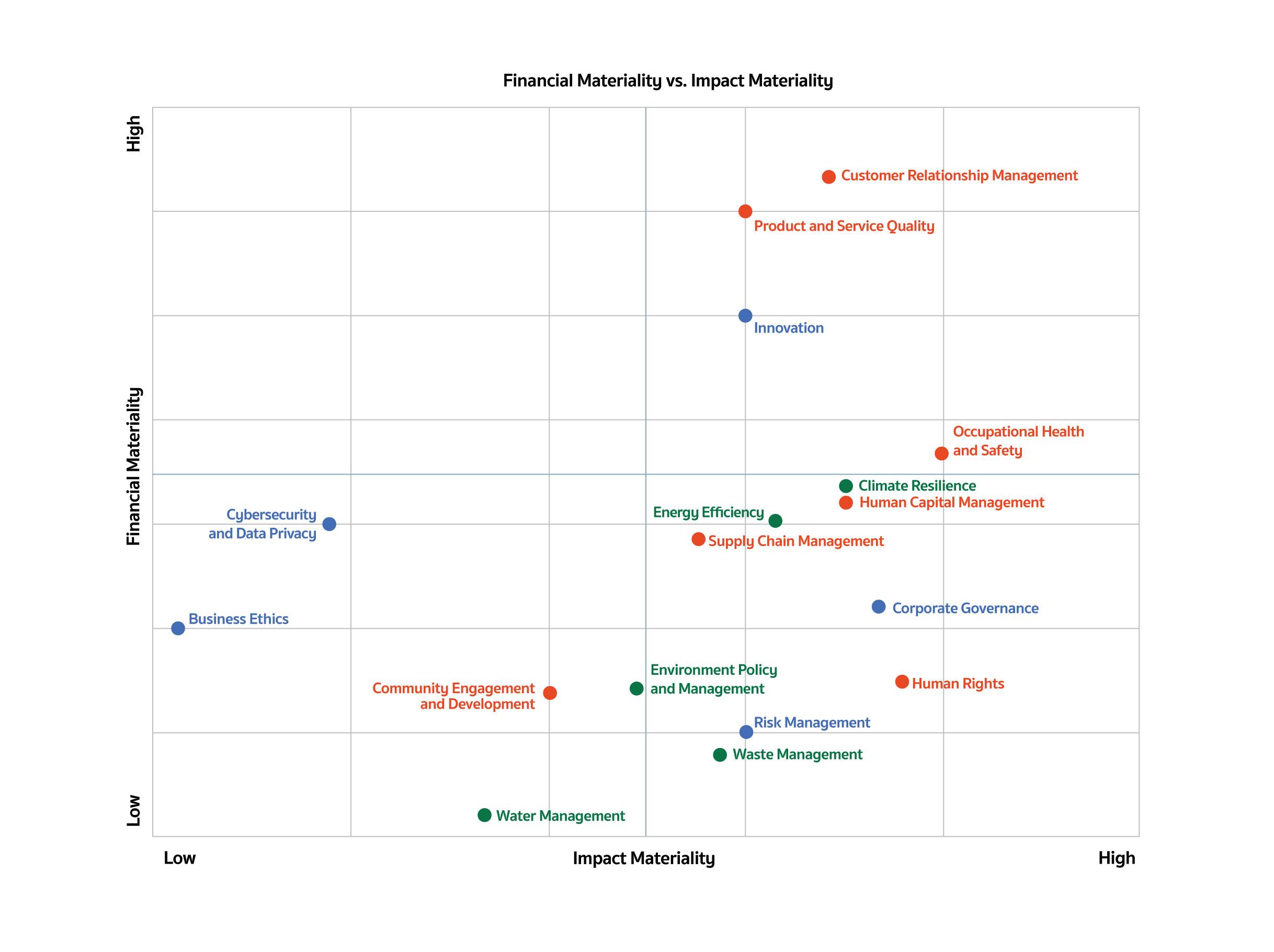
Impact Level | Material Issue for Sustainable Business Development | Dimension | Stakeholder(s) Impacted | Impact | Strategies and Actions |
Top Priority | Customer Relationship Management | Social |
| Opportunity Customer Relationship Management (CRM) is a strategy aimed at fostering strong relationships between the Company and its customers, with the goal of ensuring customer satisfaction, building trust, and cultivating long-term brand loyalty. Beyond that, CRM creates opportunities for business growth and enables the Company to expand into new customer segments. Risk Customer dissatisfaction with the Company’s products and services can lead customers to communicate in a way that is unfavourable to the Company. However, the risk is relatively low as the Company has a dedicated customer relations department and has clear indicators of customer satisfaction, such as satisfaction with insurance repairs and satisfaction with our employees’ after-sales service. |
|
Top Priority | Product and Service Quality, and Innovation* | Social |
| Opportunity The quality of products and services influences the customers’ perception of the Company, resulting in the strategic success of the business and reflecting financial success. The quality of products and services influences customers' perceptions of the organisation, leading to strategic success for the business. This, in turn, reflects financial success and fosters trust in the Company. Emphasizing product and service quality throughout the business process and implementing innovations enhances process efficiency. Moreover, it contributes to reducing environmental impact and ensures the delivery of high-quality, cutting-edge products aligning with the organisation's vision of providing worry-free homes. Additionally, this focus can help mitigate the impact on surrounding communities. Risk Neglecting to control the quality of products and services can adversely affect customers, particularly residents. This neglect may compromise customer welfare and well-being, ultimately eroding confidence in the Company's brand and products. |
|
Top Priority | Occupational Health and Safety | Social |
| Opportunity Implementing effective occupational health and safety measures effectively reduces workplace accidents, mitigating the risk of labour shortages and delays in project handovers, while enhancing business competitiveness and overall productivity. Risk The construction process may pose risks to the safety, lives, and property of the Company's employees, contractors, and contractors’ employees working in the construction project area. Any accident can disrupt the work plan, leading to unmet business goals. Additionally, if a serious event occurs, it can damage the Company's reputation and directly impact its business. |
|
Top Priority | Climate Resilience | Environmental |
| Opportunity Reducing greenhouse gas emissions helps the Company cut costs, especially if Thailand’s carbon tax measures are strengthened in the future. Setting an objective as well as an action plan to address climate change is an issue of interest to investors and financial institutes, which instills confidence in the Company, facilitating access to financial resources for sustainable business growth. Additionally, it opens doors to reach customers seeking products that help mitigate impacts from climate change by implementing measures such as selecting project areas; designing energy-efficient homes; or launching products equipped with solar energy generating panels or electric car chargers, and potentially lower the cost of electricity, which is expected to increase significantly. Furthermore, it actively supports government agencies in meeting national greenhouse gas emissions reduction targets and advocates for policies and measures related to climate change Risk Physical climate change risks are critical factors in strategic business planning for expansion or site selection. Assessing future physical risks across various climate scenarios allows the Company to identify locations with minimal physical risk. This approach helps mitigate potential customer impacts from climate change. Failure to consider these risks could result in higher operating costs due to impending carbon taxes and increased project construction costs in relation to compensation, relationship maintenance and management of clients’ confidence towards the Company’s products and services. |
|
Top Priority | Human Capital Management | Social |
| Opportunity Effective human resource management is essential for establishing a sustainable competitive advantage, which includes the attraction of high-potential talent, retention of valuable employees, and fostering mutual growth within the organisation. The Company prioritises identifying the necessary skills, knowledge, and experience for both current and future needs to ensure its organisational structure and strategies keep pace with evolving business trends and support its growth. The Company has established a mechanism to monitor and plan for employee capacity and career development, providing a clear career path for individuals. This approach enhances employee engagement and commitment to their responsibilities, resulting in exceptional performance. To ensure business continuity, the Company emphasises a succession plan for critical positions to mitigate the risk of sudden vacancies that could disrupt management and ensure long-term organisational stability. In parallel, effective cost management is achieved through human resource development, employee welfare, and additional benefits, such as 30 days of paid paternity leave and single-person welfare. These welfare and benefits introduced by the company reduce turnover rates, the cost of recruiting new employees, and the time required for employees to adapt to new roles, ultimately leading to an increase in employee productivity. Risk Effective human resource management, including the attraction of high-potential talent, retention of valuable employees, and fostering mutual growth within the organisation, is essential for mitigating risks across various dimensions. Failure to clearly identify the necessary skills for current and future needs can negatively impact the Company’s readiness for business growth and its ability to keep pace with the industry trends. Additionally, the lack of a clear process for potential development and career path planning may decrease employee engagement, increasing the risk of losing potential employees. Business continuity risks may arise if the Company does not establish a succession plan for critical positions, potentially leading to management disruptions and compromising long-term organisational stability. Furthermore, a high turnover rate raises operational costs due to the need to recruit new employees, and the extended time required for employees to adapt to new roles leads to a decline of organisational productivity and output. |
|
Top Priority | Energy Efficiency | Environmental |
| Opportunity Enhancing energy efficiency can lower the Company's operating costs and expenses. This can involve implementing home designs that minimise the need for daytime electric lighting or maintain cool indoor temperatures to reduce reliance on air conditioning which will help decrease expenses for residents. These measures also help broaden business opportunities by appealing to a larger customer base interested in energy-efficient products, including procuring materials, construction equipment, and innovations that address the aforementioned needs from business partners. Risk Nowadays, customers are keen on utilising alternative energy sources and adopting building designs aimed at reducing energy consumption to help reduce energy costs. If the Company fails to consider these factors, it may adversely impact customers’ purchasing decisions and the business’s competitiveness. |
|
Top Priority | Supply Chain Management | Social |
| Opportunity Adequate supply chain management effectively controls operating costs and maximizes benefits for the Company. Supplier risk assessment enables the Company to monitor and prepare for risks in the associated value chain. Selecting suppliers that adhere to Environmental, Social, and Governance (ESG) principles reduces the costs of risk management associated with violations, such as human rights risks. This approach also mitigates environmental impacts by procuring suppliers that offer recycled or durable materials and emit less greenhouse gases during production. This strategy promotes climate resilience for the Company’s material issues and supports sustainable business development. Furthermore, it provides opportunities for product and service development in collaboration with suppliers, leading to the acceleration of new product innovation and the potential business growth of both the Company and its suppliers. Risk The Company’s business continuity, reputation, and credibility may be compromised if there is a dispute associated with the suppliers’ operations that does not take into account the impacts on stakeholders. For instance, operations on the basis of human rights may affect the production, resulting in delayed handover of works. |
|
Top Priority | Corporate Governance | Governance |
| Opportunity Effective corporate governance increases the Company’s credibility among stakeholders and fosters its growth potential. It also presents opportunities to achieve business strategies and goals, enabling the organization to operate with integrity and avoid legal disputes. This, in turn, mitigates costs, income, growth, and profits. Furthermore, it underscores the significance of management’s considerations for social and environmental impacts. Risk Adhering to the law is fundamental for conducting business in any organisation. It helps mitigate the impact of legal conflicts on the company's reputation, confidence in its business operations, and ultimately contributes to sustainable growth. |
|
Top Priority | Human Rights | Social |
| Opportunity In addition to its commitment to considering all stakeholders as a basis, current business practices necessitate the engagement of diverse capital groups through collaborative partnerships with investors or business partners. This approach aligns with the preferences of foreign investors and business partners, who seek to conduct business with entities that uphold human rights. By adhering to human rights standards, companies can enhance their attractiveness to new investors and business partners. Risk Human rights issues permeate the Company's supply chain, extending from material procurement to product sales and delivery to customers. Therefore, the Company should assess whether all stakeholders in the chain are granted their legally entitled basic rights, such as the right to gather and assemble, the right to receive complete and accurate information, the right to a good quality of life adequate for sustenance, and the right to a fair and equitable working environment. |
|
Secondary Priority | Risk Management | Economic |
| Opportunity The Company can manage risks and implement crisis plans, prioritise and monitor precise risk factors, as well as effectively prevent impacts on project management and the overall business. Risk The Company's operations could be affected by disruption, which could have an impact on the Company's image and credibility. |
|
Secondary Priority | Waste Management | Environmental |
| Opportunity Efficient waste management helps reduce the environmental impact of disposal processes, minimizes the consumption of natural resources used in construction materials, and lowers a company's greenhouse gas emissions. It may also include the development of innovative business processes that benefit society, creating additional income for communities and promoting proper waste management systems within projects. This encompasses waste management at the household level initiated by project developers and contributes to reducing environmental impacts. Risk Ineffective waste management can lead to increased waste disposal costs due to government policy trends aimed at reducing environmental impact. |
|
Secondary Priority | Environmental Policy and Management | Environmental |
| Opportunity A robust environmental management policy and plan contribute to fostering a positive business image for the Company. This includes adhering to relevant environmental laws, adopting principles of the circular economy, considering impacts on biodiversity and communities, and supporting the country's goals for reducing greenhouse gas emissions. Such measures facilitate sustainable growth for the Company. Risk The Company's business has environmental implications, both as a contributor to impacts and as an entity affected by them. Construction processes can result in pollution to surrounding communities, as construction materials are derived from natural resources and waste disposal carries environmental and social consequences. Therefore, it is crucial for the Company to prioritise managing environmental risks in communities surrounding construction sites to mitigate potential legal conflicts in the future. |
|
Secondary Priority | Community Engagement and Development | Social |
| Opportunity The Company's involvement in community development fosters strong relationships between the community and the Company. Initiatives that benefit both parties, such as the Waste to Value project, which converts lightweight brick scraps into pots and home decorations, while helping reduce construction waste and increase income for nearby communities, or the Friends at Your Fence project, which collects surplus items in good condition from customers and employees to pass on to communities and society at large. Risk Engaging in community development helps community members understand the operations of projects occurring in their vicinity and allows them to participate in addressing potential challenges. This demonstrates the Company's social and environmental responsibility, as the community is directly and indirectly impacted by the project. |
|
Secondary Priority | Cybersecurity and Data Privacy | Economic |
| Opportunity Technological advancements have expanded businesses' reach to more customers and created opportunities to influence purchasing decisions through changes in consumer behaviour. Moreover, leveraging online systems for data collection and analysis can benefit the business. Risk Cybersecurity involves safeguarding sensitive information within a company from theft and prevent any damage to the business operations which is crucial for maintaining customer confidence and competitiveness. |
|
Secondary Priority | Business Ethics | Governance |
| Opportunity Organisations that prioritise ethical business practices earn the trust of partners, suppliers, and stakeholders, which fosters opportunities for business expansion and showcases the company's potential for sustainable growth. Risk Operating business based on business ethics is a practice that every listed company should adhere to for the purpose of transparency, fairness, efficiency in operations and fostering positive ethical conduct among employees. Such practices significantly influence the credibility and image of the organisation. |
|
Issues of Interest | Water Management | Environmental |
| Opportunity Implementing efficient use of water by wastewater treatment and reuse to reduce the financial burden of common fees. Risk The Company strictly adheres to laws and regulations governing water and wastewater management across all office building locations, rental properties, and horizontal and vertical projects. This approach aims to minimise the impact on customers and surrounding communities while mitigating the risk of legal compliance violations that could disrupt project implementation. |
|
Note: *Innovation issues are integrated into the organisation's management of product and service quality.
Sustainability Goals & UN SDGs
Introduction
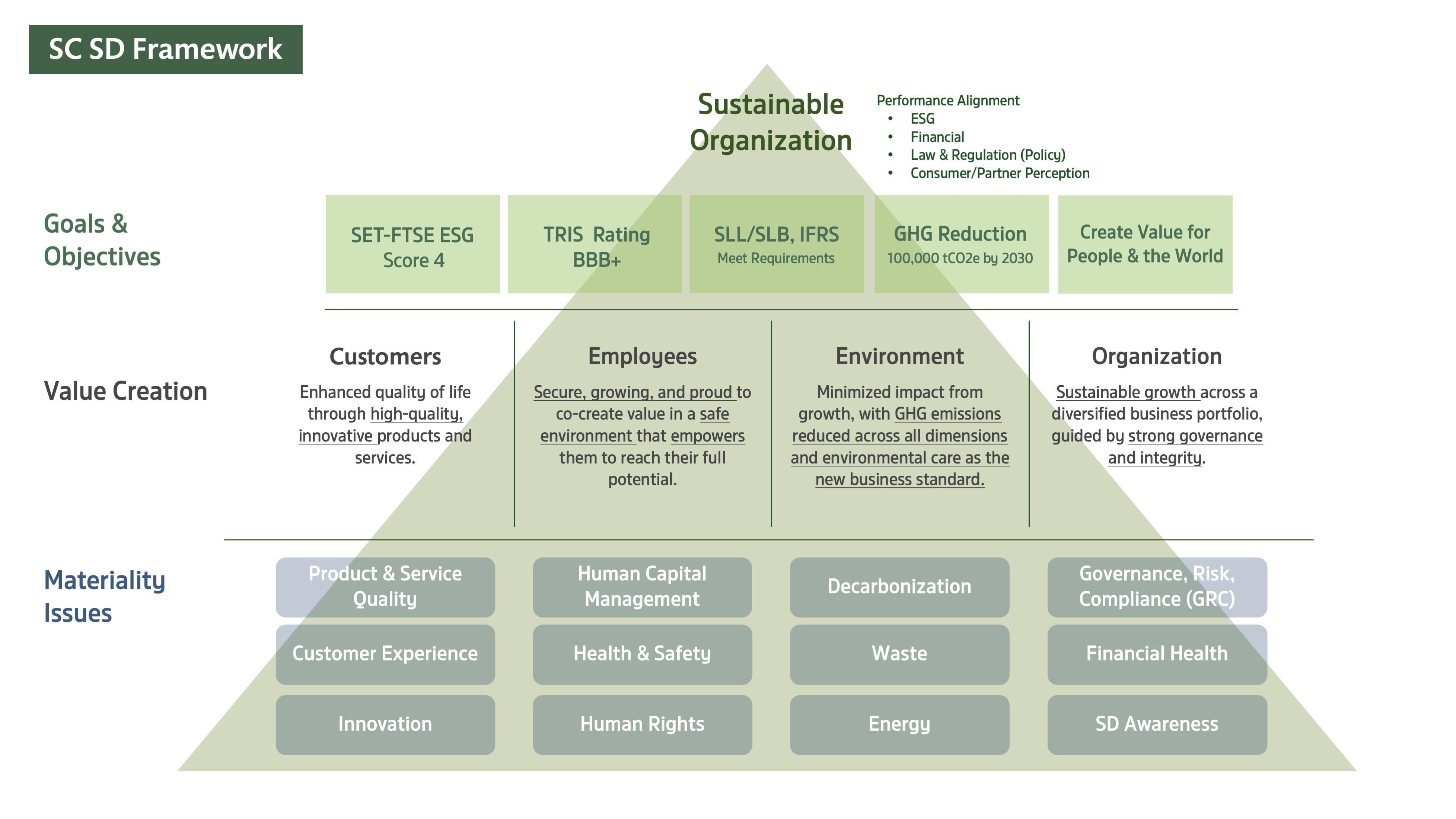
The Company considers stakeholders who evaluate the organization's sustainability across multiple dimensions, including ESG performance, financial resilience, legal and regulatory compliance, and corporate reputation. Through a Double Materiality Analysis, the Company has identified and prioritized 12 material sustainability issues that impact four key stakeholder groups, leading to the establishment of five strategic objectives for achieving organizational sustainability.
Has Sustainability Goals
Yes
Goals Description
In order to align with this mission, the Company has set important indicators and goals. The details are as follows:
SC’s Goal: Create Value for People and the World | 2025 Goal | 2025 Performance |
Customers: Enhanced quality of life through high-quality, innovative products and services. | ||
Customer satisfaction with the quality of services
| ≥ 85% ≥ 80% ≥ 65% | ≥ 86% ≥ 82% ≥ 70% |
Employees: Secure, growing, and proud to co-create value a safe environment that empowers them to reach their full potential. | ||
‘People Thriving’ Employee Engagement Survey Score Employee participation rate | ≥ 70% 90% | 74% 96% |
Succession plan coverage for critical positions | ≥ 80% | 86% |
Employees, workers, and contractors workplace fatalities | 0 person | 0 person |
Lost Time Injury Frequency Rate (LTIFR) | 0 | 0 |
Zero incidents of High-Consequence Injuries (HCI) annually across employees, workers, and contractors | 0 incident | 0 incident |
Environment: Minimized impact from growth, with GHG emissions reduced across all dimensions and environmental care as the new business standard. | ||
Greenhouse Gas Emission Reduction
| 13,000 tCO2e 100,000 tCO2e 17% | 13,076 tCO2e 39,696 tCO2e 20% |
Energy Conservation
| 5% (base year 2022) 5% out of total energy consumption | Increased 9.84% 6% |
Water Conservation
| 5% (base year 2022) | 3% |
Waste Management
| 5% (base year 2022) | Increased 13% |
Pollution Reduction
| 50%** (base year 2024) | TSP – 69% PM-10 – 78% |
Organization: Sustainable growth across a diversified business portfolio, guided by strong governance and integrity. | ||
Code of Conduct communication and training for all employees. | 100% | 100% |
Supplier ESG and economic risk assessment | 80% of the purchase value | 81% |
Note: * Covering show houses and sales offices of residentials development projects, and common areas of rental office buildings, ** Target revised due to additional reduction measures implemented in 2025.
Corporate Sustainable Development in Accordance with UN Sustainable Goals (UN SDGs)
UN SDGs | Implementation in 2025 | Company’s Key Topic | Topic Present in the Report |
| Promoted skills development for male and female employees equally. In 2025, the average numbers of training attendance are as follows: Male employee: 19.11 hrs./person/year Female employee: 17.97 hrs./person/year |
|
|
| Women represent 44% of employees in management levels, which comprise managers and upper-level positions. In support of marriage equality, the Company provides a congratulatory cash of 10,000 baht as a “gender equality marriage benefit” to all newlywed employees, regardless of gender. Additionally, the Company grants 30 days of paid paternity leave as well. |
|
|
| The proportion of solar energy utilized across all businesses has increased, resulting in the generation of 1,010,300 units of electricity or kwh/year from solar power. This represents 6% of the company's total electricity consumption. |
|
|
| The Company has established a Human Rights Policy and Employment Practices. In 2025, no complaints were received regarding labor and human rights. Furthermore, the number of lost-time injuries in the workplace that led to employee leave (Lost Time Injury Frequency Rate: LTIFR) in project areas was recorded at zero. |
|
|
| In 2025, the Company invested 14 million baht in research and development to drive product innovation and enhance resident well-being. |
|
|
| Promoted equality and non-discrimination under the Company’s “Human Rights Policy”, resulting in “zero” complaints in discrimination and sexual harassment in 2025. |
|
|
| Conducted waste sorting projects in the corporate office and rental office buildings, resulting in the reduction of over 76,976 kg of waste going to the landfill. Encouraged customers to manage waste sorting in their homes by partnering up with Recycle Day and reduced over 19,472 kg. Delivering sustainable household waste sorting areas in new development projects at The Reference Wong Wian Yai and all high-rise projects managed by SC Able, serving over 7,300 households. |
|
|
| Reduced waste in construction area in collaboration with 15 projects. Conducted green procurement, contributing to 94% of total procurement in 2025. |
|
|
| In 2025, the Company reported GHG emissions of 9,757 tCO2e (Scope 1–2, verified under ISO 14064-3 and certified to ISO 14064-1), while reducing approximately 39,696 tCO2e through the procurement of low-carbon construction materials and the use of renewable energy. |
|
|
| There were zero prosecutions on corruption, bribery, monopoly, or trade barriers. |
|
|
| Supporting Thailand’s Circular Economy in Construction Industry (CECI) to promote the use of circular building materials and maximise resource efficiency, thereby elevating operational standards within Thailand's construction industry. The Company also collaborates with the Building Social Impact (BSI) initiative, alongside the Foundation for Children, Bangkok District Offices, Thai Health Promotion Foundation (ThaiHealth), and academics from various institutions, with the goal of developing Thailand policies on construction worker camp standards to enhance respect for human rights across the value chain of Thailand's construction industry. |
|
|



About the Report
This Sustainability Report is published to demonstrate strategies, policies, goals, and performance in the areas of environmental, social, and corporate governance (ESG) aspects, which are significant to SC Asset Corporation Public Company Limited and its subsidiaries in which the Company holds greater than or equal to 50% of shares during the period of January 1, 2025, to December 31, 2025. The Company has published its Sustainability Report for the 12th consecutive year, referencing the Global Reporting Initiative (GRI) Standards 2021, issued by the Global Sustainability Standards Board (GSSB), and reporting GHG emissions in accordance with ISO 14064-1. The reported data has been independently verified and validated under ISO 14064-3 (Third-Party Verification and Validation) by Bureau Veritas Certification (Thailand) Limited, an entity independent from the Company's business and operations.
More details can be found in “The List of All Our Entities Included in Our Sustainability Reporting” and “GRI Content Index” sections at https://www.scasset.com/en/sustainability/sustainability-report/.
Material issues on sustainability will be presented in the section “Driving Business for Sustainability”. Further details of topics such as corporate governance policy, risk management, and business performance will be disclosed to be aligned and linked to the annual report 2024 (56-1 One Report) and will also be available at https://www.scasset.com/en/investor/annual-report/.
For more information:
Sustainability Development Function, SC Asset Corporation Public Company Limited
1010, Shinawatra Tower 3, Vibhavadi Rangsit Road,
Chatuchak, Chatuchak, Bangkok 10900
Tel: (66)2-949-2276 E-mail: Sustainability@scasset.com
Membership and Alliance
Driving sustainability cannot be achieved by any single organisation alone. The Company therefore collaborates with its partners and alliances to advance sustainable business practices internally and create meaningful impact for society, as follows:
Becoming a member of Thailand Private Sector Collective Action Coalition Against Corruption(CAC) to show dedication for transparency and anti-corruption business operation.
Becoming a member of Sustainability Disclosure Community (SDC) run by Thaipat Institute, to improve internal work process and ensure data transparency is aligned with global standards.
Collaboratively supporting the Circular Economy in Construction Industry (CECI) to promote the use of renewable materials, and efficient resources use, and to develop business processes that will sustainably reduce greenhouse gas emissions within the Thai construction industry. This is in line with the 2021-2027 Bio-Circular-Green Economy (BCG) Action Plan. For further details, please refer to https://www.scgbuildingmaterials.com/th/campaign/sustainable/ceci.
Joining the Advisory Board of Worker’s Health and Safety in Construction Worker Camps in collaboration with the Building Social Impact (BSI) initiative, Foundation for Children, Bangkok District Offices, Thai Health Promotion Foundation (ThaiHealth), and academics from various institutions for policy development on improving living standards of construction worker camps. This initiative contributes to enhancing human rights advocacy in the value chain of the construction industry in Thailand.
In 2025, the Company cooperated with BSI and all its contractors across every project site to implement SC well-being camp development standard encompassing four key dimensions:
1) Infrastructure – Improving living conditions to ensure greater safety, along with better waste management systems, access to clean water, sanitation, and hygiene.
2) Welfare and Services – Providing knowledge on camp rules and preventive measures, as well as supporting social development and improved quality of life.
3) Health – Promoting education on basic health knowledge and practices.
4) Education – Supporting access to information on preparation for both formal and non-formal education systems.
These criteria are aligned with international human rights standards (UNGP) and the respect and protection of children's rights on-site. They have been adopted as management development guidelines and evaluation criteria for contractor management measures across all of the Company's active construction project sites from 2025 onwards. The Company conducts monthly evaluations of site management measures, with BSI initiative representatives participating and gathering feedback from both Thai and foreign workers. The assessment results demonstrated continuous improvement and excellent management across all project sites. For further details, please refer to https://www.buildingsocialimpact.org/about-us.
UN Sustainable Development Goals
| SDG Goal |
|---|
| Goal 4 Quality Education |
| Goal 5 Gender Equality |
| Goal 7 Affordable and Clean Energy |
| Goal 8 Decent Work and Economic Growth |
| Goal 9 Industry, Innovation and Infrastructure |
| Goal 10 Reduce Inequalities |
| Goal 11 Sustainable Cities and Communities |
| Goal 12 Responsible Consumption and Production |
| Goal 13 Climate Action |
| Goal 16 Peace, Justice and Strong Institutions |
| Goal 17 Partnerships for the Goals |
Policy Review
Policy Reviewed This Year
Yes
Policy Changed This Year
Yes
Review Details
The Company reviews its sustainability policy and goals on a yearly basis to align with significant business changes, such as business direction, sustainability trends, regulations, and relevant standards.
Business Value Chain
Value Chain Description
The Company implements sustainable development concepts, risk management techniques, Objective Key Results (OKRs), and business strategic management to establish a direction for value chain management. As the Living Solution Provider, this approach seeks to mitigate the impacts of risks throughout the entire operational process, from upstream to downstream. The Company adheres to a comprehensive governance framework that takes into consideration the business, social, and environmental aspects. To improve its business performance, the Company has its operations classified into three business groups, consisting of Primary Activities and Support Activities.
The Company’s Business Groups:
The real estate development business for sale includes 90 low-rise and high-rise projects.
The real estate leasing and service business includes commercial office buildings and warehouses for lease, and hotels.
Consulting and management services include project management services and "RueJai Club”, a holistic living solutions platform.
Stakeholder Analysis
Introduction
The Company analyses and prioritises stakeholders within the value chain according to the impact level from business operations on stakeholders and the impact level on business sustainability. The assessment process is conducted regularly through various channels such as surveys, interviews, analysis of data from relevant departments, as well as hosting a feedback session for each group of stakeholders. The Company utilises the analysis results to establish its operational development plan to maximise the positive impact and minimise the negative impact on key stakeholders. This approach aims to foster and strengthen long-term trust, supporting the Company’s business operations in the following ways.
Stakeholder Analysis
| Stakeholder Type | Stakeholders | Stakeholder Expectations | Response to Expectations | Communication Activities |
|---|---|---|---|---|
| Internal stakeholders | 2921 · Description: Employees | - Career stability and advancement
- Employee and executive training and development for career growth or change
- Benefits and compensation
- Digital infrastructure
- Happy Workplace
- Physical and mental wellbeing, and occupational health, safety, and workplace environment
- Organisational risk and crisis management
| - Ensuring non-discrimination and promoting career advancement based on knowledge, ability, and experience.
- Retaining valuable employees to encourage their career growth within the organisation.
- Planning and developing capacity, skills, and expertise with employees and supervisors in alignment with the 70/20/10 model, while continuously implementing a monitoring system and assessing employee potential.
- Managing employee compensation according to the Pay for 3Ps (Position, Person, Performance) principle, ensuring it is appropriate for the position, ability, and performance of the employees.
- Offering benefits that promote physical and mental well-being, such as Flexi-Benefits, special leave for fathers (at the birth of a child), Workcation Flexi-Hours, and clubs to enhance work-life balance, reduce stress, and boost employee engagement.
- Enhancing digital infrastructure and encouraging the use of AI to increase productivity through employee training, aiming to upskill employees and promote ethical AI use, while establishing a comprehensive governance framework for data protection, privacy rights, and risk prevention from the use of insider information and AI.
- Efficiently managing risks and developing a comprehensive crisis response plan aligned with the Company’s policies and governance.
| 2938 · Description: Visit · 2939 · Description: Press Release · 2940 · Description: Social Event · 2941 · Description: Online Communication · 2942 · Description: Internal Meeting · 2945 · Description: Complaint Reception · 2946 · Description: Employee Engagement Survey · 2948 · Description: Training / Seminar · 2949 · Other name: Quarterly All Hands company-wide meeting with the CEO · Description: Others · 2949 · Other name: SC People Champion representatives from all departments · Description: Others · 2949 · Other name: Co.Lab: a collaborative space for teamwork · Description: Others · 2949 · Other name: SCinOne Application · Description: Others · 2949 · Other name: Facebook page and Line Official Account “@SCTEAMWORK” · Description: Others · 2949 · Other name: Hosting feedback sessions on material issues for sustainable business development · Description: Others |
| External stakeholders | 2923 · Description: Customers | - Product and service quality and
- innovation
- Access to sales data online
- Responsive and efficient after-sales
- service
- Handling of complaints,
- suggestions, and comments across
- various channels
- Personal Data protection
| - Developing and designing innovative and appealing products and services that enhance the quality of life for customers.
- Delivering products and services that have high standards and align with the work plan.
- Disclosing accurate, reliable, and legally compliant information on the Company’s projects.
- Establish customer feedback channels to collect suggestions and complaints.
- Supervise the personal data in accordance with the Company’s Personal Data Protection Policy.
- Taking corporate responsibility for social and environmental impact.
| 2938 · Description: Visit · 2939 · Description: Press Release · 2941 · Description: Online Communication · 2945 · Description: Complaint Reception · 2947 · Description: Satisfaction Survey · 2949 · Other name: Sales Officer · Description: Others · 2949 · Other name: After-sales Service Officer · Description: Others · 2949 · Other name: Legal entity management officers · Description: Others · 2949 · Other name: Co-owners general assembly · Description: Others · 2949 · Other name: Hosting feedback sessions on material issues for sustainable business development · Description: Others · 2949 · Other name: RueJai App. · Description: Others · 2949 · Other name: Social Media @RueJai Club · Description: Others · 2949 · Other name: Contact Centre 1749 · Description: Others |
| External stakeholders | 2899 · Description: Suppliers · 2918 · Description: Contractors · 2919 · Description: Subcontractors | - Consistency in securing projects and income growth
- Fair and transparent procurement processes
- Occupation health and safety management
- Constant supplier and business partner enhancement and development
| - Selecting qualified business partners, suppliers, contractors, and high-quality materials, while adhering to relevant laws, rules, and regulations
- Regularly evaluating business partners, suppliers, and contractors based on quality of work, materials, and ESG to recruit reliable business partners, suppliers, and contractors, forging a strong and sustainable partnership.
- Establishing a procurement system and policy aligned with good corporate governance, and have a monitor system that ensures transparency and fairness.
- Organising regular training sessions, having communication, and implementing an oversight policy regarding construction standard and occupational health and safety.
- Encouraging business partners, suppliers and contractors to enhance their business capacities and ESG through seminars and focus groups on key issues, such as safety management at campsites, greenhouse gas management in material production, etc. | 2940 · Description: Social Event · 2941 · Description: Online Communication · 2945 · Description: Complaint Reception · 2949 · Other name: Feedback submission via https://www.scasset.com/en/contact/ · Description: Others · 2949 · Other name: Meetings for gathering feedback and establishing collaborative operational guidelines. · Description: Others · 2949 · Other name: Joint meetings/seminars to enhance business and ESG capacities · Description: Others · 2949 · Other name: Initiatives to strengthen relationships between business partners/suppliers and the Company · Description: Others · 2949 · Other name: Hosting a feedback session on material issues for sustainable business development · Description: Others · 2949 · Other name: Contact Centre 1749 · Description: Others · 2949 · Other name: Whistleblowing channels https://www.scasset.com/en/sustainability/whistleblowing-channels/ · Description: Others |
| External stakeholders | 2913 · Description: Shareholders · 2925 · Description: Financial institution · 2932 · Description: Joint venture partners | - Key company updates regarding operational status
- Accurate, transparent, and reliable disclosure of business operation data
- Return on Investment
- Good corporate governance
- Sustainable growth business operation
- Innovation in products and services that reduce greenhouse gas emissions | - Operating business towards sustainable growth.
- Upholding strong corporate governance and transparency.
- Efficiently managing risks and developing a comprehensive crisis response plan aligned with the Company’s policies and governance.
- Establishing policies, strategies, goals, and indicators for social and environmental aspects.
- Reporting on the Company’s ESG performance.
| 2938 · Description: Visit · 2939 · Description: Press Release · 2941 · Description: Online Communication · 2943 · Description: External Meeting · 2944 · Description: Annual General Meeting (AGM) · 2945 · Description: Complaint Reception · 2949 · Other name: Annual report (56-1 One Report) · Description: Others · 2949 · Other name: ESG assessment of financial institutions and the Stock Exchange of Thailand · Description: Others · 2949 · Other name: Engaging in joint consultations to identify new opportunities for ESG and sustainability development · Description: Others · 2949 · Other name: www.scasset.com · Description: Others · 2949 · Other name: Whistleblowing channels https://www.scasset.com/en/sustainability/whistleblowing-channels/ · Description: Others |
| External stakeholders | 2902 · Description: Community · 2928 · Description: Society | - Receiving construction plan details
- Mitigation of construction-related impacts, including noise pollution, dust, and effects on nearby community constructions
- Quality of life of the surrounding community | - Regularly communicating construction plan and disclosing accurate, transparent, and reliable information on project development.
- Adopting preventive measures and monitoring to minimise impacts from project development.
- Complying with safety measures for project development
- Upholding strong corporate governance and transparency.
- Taking corporate responsibility for social and environmental impact. | 2938 · Description: Visit · 2940 · Description: Social Event · 2941 · Description: Online Communication · 2945 · Description: Complaint Reception · 2949 · Other name: Community opinion survey on project development · Description: Others · 2949 · Other name: Environmental and social impact assessment in compliance with the Environmental Impact Assessment (EIA) requirements · Description: Others · 2949 · Other name: Email: Info@scasset.com · Description: Others · 2949 · Other name: Contact Centre 1749 · Description: Others · 2949 · Other name: Whistleblowing channels https://www.scasset.com/en/sustainability/whistleblowing-channels/ · Description: Others |
| External stakeholders | 2926 · Description: Educational institution or academic agency · 2931 · Description: Government agencies and Regulators · 2933 · Description: Non-profit organization / NGOs | - Relevant legal compliance and regulations
- Cooperation in providing accurate information
- Transparent disclosure of information for verification
- Commitment to social and environmental responsibility
- Alignment with national social and environmental objectives, policies and plans | - Complying with applicable laws, rules, regulations, and business standards.
- Upholding strong corporate governance and transparency.
- Regularly and transparently sharing information about business operations.
- Endorsing government policies, objectives, and initiatives.
- Supporting CSR activities, particularly the communities near the ongoing projects.
- Collaborating with the Building Social Impact (BSI) initiative by Foundation for Children on the Safe Camp project to develop SC safety protocols and monitor on improving living standards of construction worker campsites.
- Collaborate with academic institutions to promote the use of low-carbon and environmentally friendly materials. | 2938 · Description: Visit · 2939 · Description: Press Release · 2940 · Description: Social Event · 2941 · Description: Online Communication · 2945 · Description: Complaint Reception · 2948 · Description: Training / Seminar · 2949 · Other name: The executives or representatives’ provision of accurate and timely reports · Description: Others · 2949 · Other name: Annual report (56-1 One Report) · Description: Others · 2949 · Other name: Reports on measures taken to mitigate environmental impact · Description: Others · 2949 · Other name: www.scasset.com · Description: Others · 2949 · Other name: Contact Centre 1749 · Description: Others · 2949 · Other name: Whistleblowing channels https://www.scasset.com/en/sustainability/whistleblowing-channels/ · Description: Others |
| External stakeholders | 2929 · Description: Media | - Accurate, comprehensive and immediate information
- Knowledge sharing
| - Regularly and transparently sharing information about business operations.
- Collaboratively communicating the Company’s ESG performance data to drive the industry towards a low-carbon economy.
| 2938 · Description: Visit · 2939 · Description: Press Release · 2941 · Description: Online Communication · 2945 · Description: Complaint Reception · 2949 · Other name: www.scasset.com · Description: Others · 2949 · Other name: Whistleblowing channels https://www.scasset.com/en/sustainability/whistleblowing-channels/ · Description: Others |
| External stakeholders | 2898 · Description: Competitors | - Fair competition | - Complying with applicable laws, rules, regulations, and business standards.
- Upholding robust corporate governance and transparency.
| 2941 · Description: Online Communication · 2949 · Other name: Network Activities · Description: Others · 2949 · Other name: Collaborative network within the Thai construction industry focusing on circular economy · Description: Others · 2949 · Other name: www.scasset.com · Description: Others · 2949 · Other name: Whistleblowing channels https://www.scasset.com/en/sustainability/whistleblowing-channels/ · Description: Others |
Environmental Policy & Guidelines
Has an Environmental Policy
Yes
Policy Description
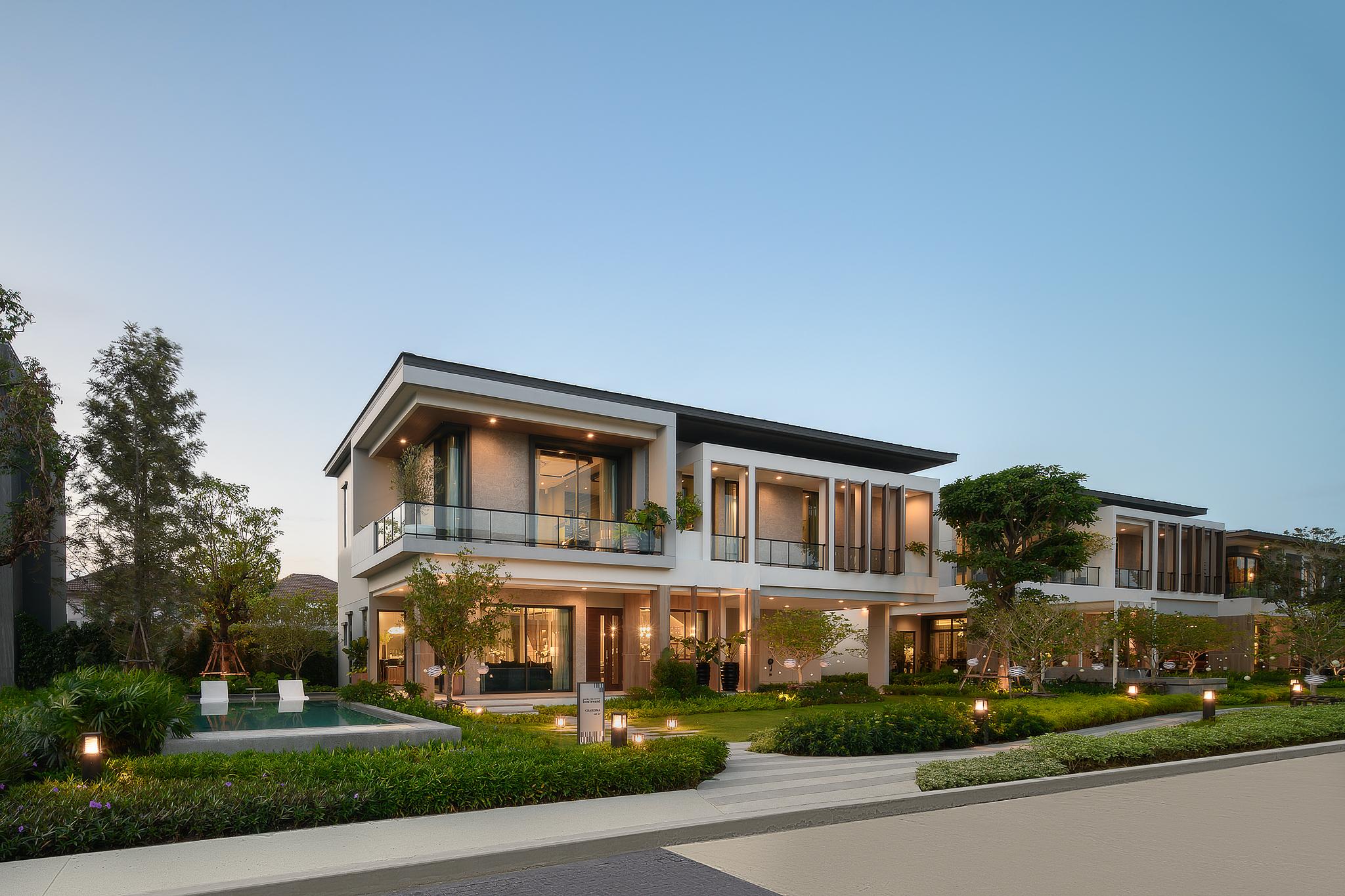
The Company has established the SCero Mission, a key sustainability initiative aimed at reducing greenhouse gas (GHG) emissions by 100,000 tonnes of carbon dioxide equivalent (tCO2e) by 2030. In 2025, the Company refined its sustainability strategy to align more closely with its business operations. This involves evaluating the environmental impact across the supply chain and categorizing the value chain and its impact into three phases: purchase, consumption, and disposal, in line with the Circular Economy principle, which emphasizes resource efficiency. The Company is committed to the significance of each operational phase, from land acquisition and design development to occupancy and the disposal of waste generated during construction and occupancy phases.
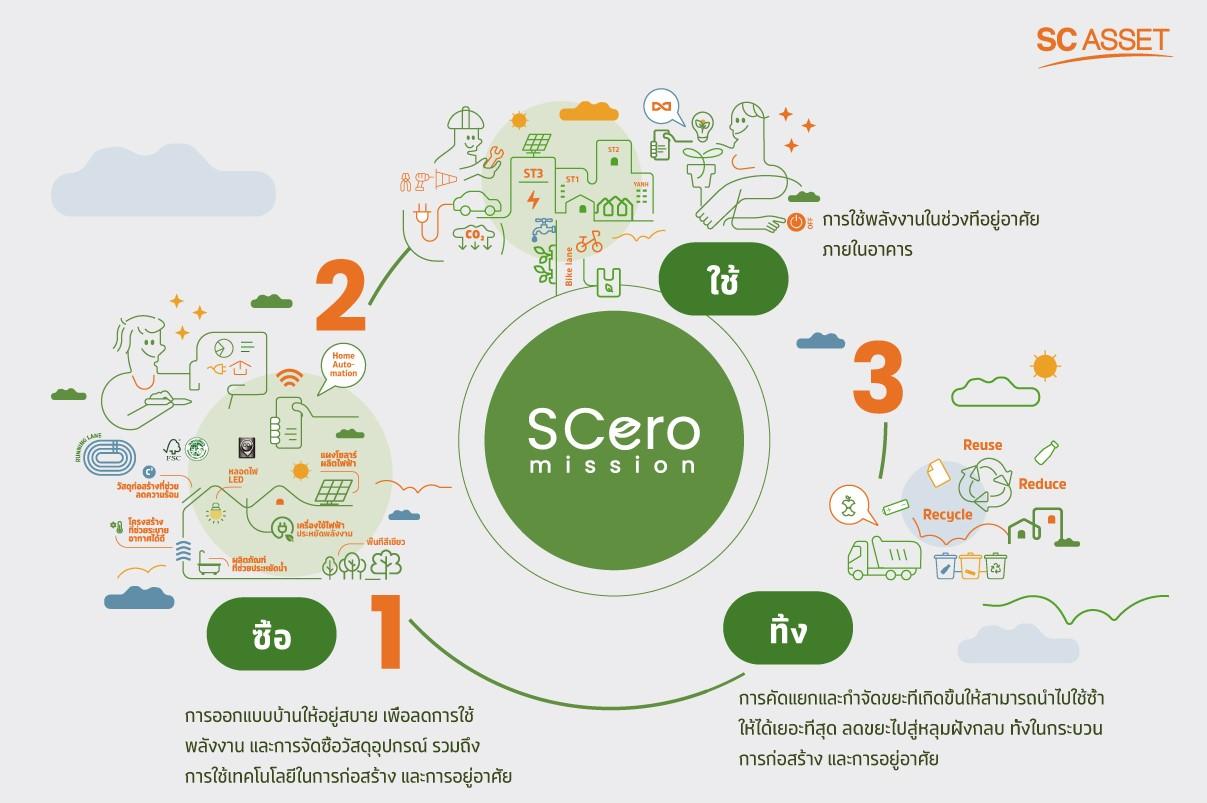
The Company has formed the Sustainability Core Team (SCT), which includes working groups responsible for monitoring, controlling, and raising awareness about sustainable practices across all business units. The SCT also ensures a clear understanding of employee work procedures and promotes sustainable lifestyles. It reports directly to the Sustainable Development and Corporate Governance Committee. The CEO communicates the mission to employees to foster understanding and participation, enabling them to connect their roles to the mission. This initiative underscores the Company’s steadfast commitment to embedding environmental goals into its operations at every level, while instilling a sense of pride and awareness among employees as they contribute to steering the organization towards a sustainable future.
Environmental Policy and Practice
The Company recognises environmental impacts from its operations, from land acquisition to residential usage. To restore the balance of natural resource utilisation and minimise adverse environmental, the Company has established environmental policy as follows.
Environmental Policy
The Company recognizes the environmental impacts that currently threaten both the global and Thailand’s economy, trade, and society. Consequently, a culture of awareness has been fostered among directors, executives, employees, and all business partners to understand the importance of mitigating environmental impacts throughout the Company’s real estate development phases—from land acquisition to after-sales service. These mitigation measures align with the principles of the Circular Economy. The Company aims to enhance resource, energy efficiency, and waste management with balanced approaches, while also protecting biodiversity and ensuring a safe environment for the benefit of both the organization and society as a whole. The Company believes these measures will help address the challenges posed by climate change. Additionally, the Company has set a Net Zero target, aiming to eliminate greenhouse gas emissions by the end of 2065. These targets also align with the Paris Agreement, as Thailand reaffirms its commitment to combating climate change at the COP26 summit in Glasgow, United Kingdom.
Sustainable Environmental Practice
The Company has adopted environmental practice to accelerate the organisation towards sustainable development, including:
The Company’s business operations must adhere to the laws applicable to real estate development, environmental standards, and the conservation of biological resources, at a minimum. Additionally, the business operations must align with its sustainable development guidelines.
versee the Company’s real estate development process at every stage to minimize its adverse impact on society and the environment, particularly in relation to climate change, as follows:
Land Acquisition Phase: Obtain lands with proper documentation, ensuring the lands are not in any designated protected areas. And refrain from land acquisition that could disrupt ecosystems or biodiversity.
Project Design Phase: Implement green building principles in the design development process to mitigate greenhouse gas emissions and enhance resource efficiency. Incorporate technology and innovation into the Company’s projects to minimize resource consumption and maximize efficiency for optimal outcomes. Ensure that each real estate project includes a green space, constituting at least 5% of the total site area.
Procurement Phase: Apply the green procurement principles to the procurement of raw materials and building materials. The Company also prioritizes its procurement from contractors and suppliers whose business operations align with its environmental policy.
Construction Phase
During the construction of both low-rise and high-rise projects, contractors are obligated to preserve large trees in their natural state. All construction activities must be regulated by preventive measures to minimize their adverse impact on biodiversity by adhering to environmental standards and implementing the circular economy principle at every project construction site.
Allocate adequate resources, such as personnel, budget, work processes, and innovation, to analyse construction activities. This will ensure resource efficiency
and minimize construction disposed of in landfills.
Implementing environmentally friendly operational measures to minimize adverse impact includes wastewater quality control, floodgate systems, and wastewater treatment ponds to prevent water pollution and flooding in accordance with legal requirements.
Efficiently allocate and utilize energy and water resources. Increase the use of clean energy to help reduce greenhouse gas emissions. Minimize construction waste in the Company’s projects by employing technology and innovative practices for waste reduction and promoting reuse to decrease landfill disposal.
In the site of commercial buildings under the Company’s real estate leasing service, native trees are opted for replanting or replacing existing ones. Only organic fertilizers and fermented plant extracts are used to enrich soil to prevent harms to the local ecosystem. Moreover, food waste from the buildings is converted into organic fertilizer for the Company’s experimental vegetable plots. This organic fertilizer is provided to employees and tenants at the SC Green Market Event, promoting environmental awareness and community engagement.
After-Sale Service Phase:
After completing a sale of residential products, the ‘RueJai Club’ provides preventive maintenance and home aftercare services. These services are designed to maintain the condition of homes, ensuring that all components and equipment are durable and resource efficient. If renovations or repairs are necessary after a customer moves in, the Company prioritizes using environmentally friendly materials or components for replacements. For commercial rental properties, the Company has replaced traditional electric equipment with energy-efficient alternatives and installed solar panels to increase the green energy usage in its properties. Additionally, the indoor air quality (IAQ) in rental buildings is regularly monitored, as the Company recognizes its significant impact on the health and well-being of occupants and visitors.
Continuously foster a culture of environmental responsibility within the organization, involving directors, executives, and employees, and communicate the Company’s environmental objectives to employees, contractors, suppliers, business partners, and residents to promote active engagement across the entire supply chain.
Monitor and evaluate the Company’s environmental performance of the Company on quarterly basis. Review and develop its real estate development processes by leveraging the environmental performance to improve environmental efficiency.
Prioritize the protection and management of biodiversity by avoiding the development or operation of projects in protected areas. Purchase environmentally friendly products from business partners, and implement the mitigation hierarchy throughout its operations, following the steps of Avoidance, Minimization, and Restoration and Offsetting.
Construction Environmental Management Plan
The Construction Environmental Management Plan for low-rise construction (single-detached houses and commercial warehouses) are divided into 3 phases: pre-construction, construction, and post-construction. The Company has constantly prepared project construction plan and environment-impact monitoring plan as outlined below:
Pre-Construction |
Design Process
|
Construction Phase |
Environmental and Social Impact Consideration
|
Post-Construction |
Management of a Livable Community
|
Community Opinion Survey
Social Impacts | Preventive and Corrective Measures | Follow-up Procedures |
Community Health and Relations |
|
|
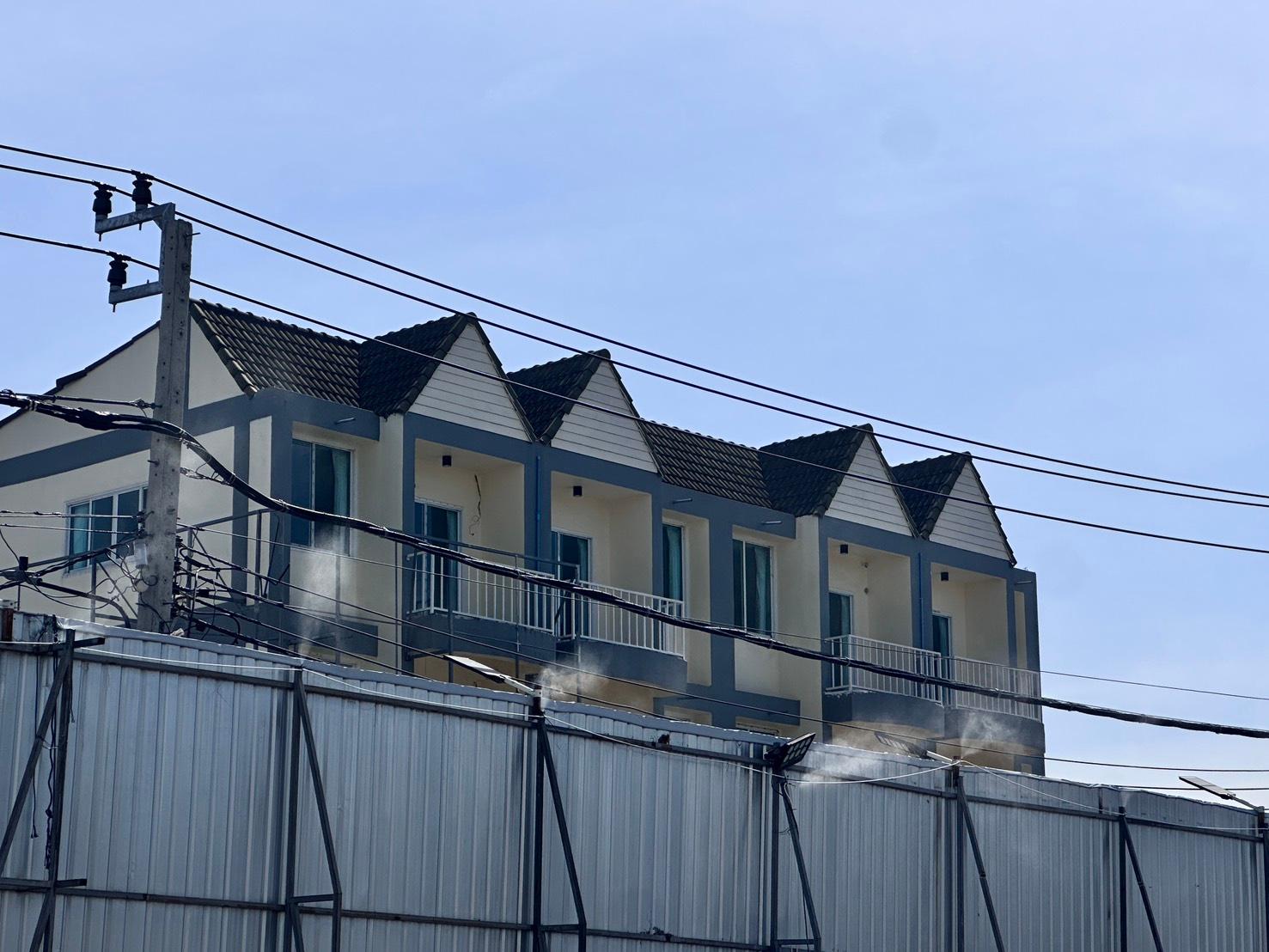
Environmental Preventive and Corrective Measures
Social and Environmental Impacts | Key Environmental Impacts | Preventive and Corrective Measures |
1. Environmental Resource
|
|
|
2. Resource Value for Communities
|
|
|
Policy Document Link
https://www.scasset.com/stocks/corporate_file/o0x0/ou/mt/m7p4oumthxj/EN-Environmental_Policy.pdf
Environmental Guidelines
| Guideline |
|---|
| Electricity Management |
| Fuel Management |
| Renewable/Clean Energy Management |
| Water Management |
| Waste Management |
| Biodiversity Management |
| Greenhouse Gas and Climate Change Management |
| Air Quality Management |
Environmental Policy Review
Policy Reviewed This Year
Yes
Review Details
The Company is dedicated to enhancing its environmental operations by aligning its policies with climate change requirements and business growth objectives. In 2025, we updated key policies to intensify the SCero Mission, implementing an ambitious plan to reduce greenhouse gas emissions by 100,000 tonnes of CO2e by 2030. Concurrently, the Company is improving air quality management across all construction sites, ensuring 100% compliance with EIA standards for controlling particulate matter (TSP and PM2.5). This approach minimizes community impact and sustains a healthy environment for residents and the surrounding society. This policy revision serves as a crucial mechanism to transform all Company businesses into a low-carbon organization that meets international operating standards
Policies & Guidelines Changed
| Change |
|---|
| Greenhouse Gas and Climate Change Management |
| Air Quality Management |
Energy — Plan & Guidelines
Has an Energy Management Plan
Yes
Plan Description
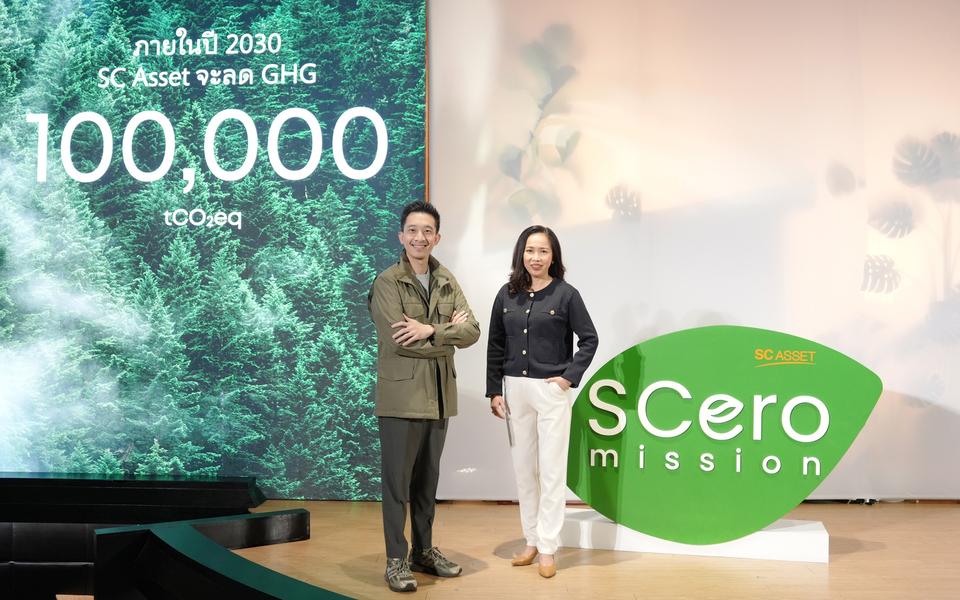
The Company is committed to addressing the impact of climate change through its “SCero Mission,” which aims to achieve Net Zero greenhouse gas emissions by 2065. In 2025, the Company improved energy management by incorporating energy-saving innovations and technology across its value chain, including the design process, occupancy, and building management. The focus is on increasing the use of renewable energy and enhancing electricity consumption efficiency across all business segments to effectively reduce operating costs and greenhouse gas emissions. Meanwhile, the “Green Life Green Work” project has been launched to motivate employees to engage in sustainable efforts to reduce energy consumption.
Low-Rise and High-Rise Residential Asset Business: The Company has embraced the “Low Carbon House” concept through passive design principles to minimize energy consumption in residential buildings. In 2025, solar rooftop systems were installed in model homes and communal clubhouses across SC’s low-rise developments. Furthermore, EV chargers were installed in high-rise projects and install smart meters in every unit to enable residents to monitor their in-home energy consumption to promote a sustainable, low-carbon lifestyle for residents.
Office Building Leasing Business: Smart building management is essential for reducing energy consumption in rental properties. By implementing a building automation system, Smart meter, lighting and air conditioning in common areas can be controlled based on actual needs. In 2025, the Company enhanced the efficiency of its air conditioning system (Chiller Plant Optimization) by adopting high-efficiency air-conditioning technology. Additionally, the shift to energy-efficient lighting systems, along with a real-time electricity consumption measurement and monitoring system, encourages energy efficiency among building tenants. This approach significantly decreases energy intensity in the Company’s office buildings available for rental services.
Warehouse Leasing Business:The Company converted the warehouse roof area into a clean energy source by expanding the solar rooftop system installation, thereby reducing reliance on electricity from the main grid, particularly in the temperature-controlled warehouse. Additionally, the warehouse utilizes “Ampel Flow,” a natural air circulation system, and maximizes natural daylighting to decrease the operating hours of the lighting system and enhance ventilation. These measures not only reduce energy consumption but also contribute to a favorable working environment for warehouse users.
Hotel Business: The Company’s hospitality business prioritizes a balance between premium guest experiences and sustainable operational efficiency. Through passive design principles, guest rooms and common areas are optimized for natural day-lighting and cross-ventilation, significantly reducing the demand for artificial lighting and air conditioning. Furthermore, all hospitality assets feature Intelligent Room Control Units (RCUs). These systems utilize door-contact switches and motion sensors for real-time, occupancy-based energy automation, offering a modern, keycard-free solution to resource conservation.
Energy — Electricity Consumption
Electricity Consumption
| Metric | Current Year | Previous Year | Two Years Ago |
|---|---|---|---|
| Total electricity consumption within the organization (Kilowatt-Hours) | 16,785,697.5 | 16,833,802.6 | 14,586,512 |
| Electricity purchased for consumption from non-renewable energy sources (Kilowatt-Hours) | 15,775,429.33 | 16,017,802.6 | 14,172,379 |
| Electricity purchased or generated for consumption from renewable energy sources (Kilowatt-Hours) | 1,010,268.17 | 816,000 | 414,133 |
Energy — Fuel Consumption
Fuel Consumption
| Metric | Current Year | Previous Year | Two Years Ago |
|---|---|---|---|
| Jet fuel (Litres) | 0 | 0 | 0 |
| Diesel (Litres) | 96,129.76 | 78,688.91 | 108,860.13 |
| Gasoline (Litres) | 169,018.83 | 107,772.47 | 144,663.59 |
| Fuel oil (Litres) | 0 | ||
| Crude oil (Barrels) | 0 | ||
| Natural gas (Standard cubic feet) | 0 | ||
| LPG (Kilograms) | 0 | ||
| Steam (Metric tonnes) | 0 | ||
| Coal (Metric tonnes) | 0 |
Energy — Targets
Has Set Targets
Yes
Targets
| Target | Base Year | Base Year Value | Target Year | Target Change (%) | Unit | Per Unit (Intensity) | Per Unit — Please Specify |
|---|---|---|---|---|---|---|---|
| Reduction of electricity purchased for consumption | 2,022 | 12,683,330 | 2,024 | 5 | Kilowatt-hour | Other | Kilowatt-hour per Square meter |
Energy — Performance & Outcomes
Has Performance Results
Yes
Performance Description
In 2025, the Company successfully achieved energy efficiency in alignment with its SCero Mission, as evidenced by the following initiatives:
Promoting renewable energy use: The Company has consistently expanded the installation of solar rooftop power generation systems in low-rise projects and community club buildings. By 2025, a total generation capacity of 800 kWp was installed across 90 model house and community club building projects, producing 1,010,000 kilowatt-hours (kWh) of clean energy electricity annually. This initiative decreases greenhouse gas emissions by 505 tonnes of carbon dioxide equivalent (tCO2, further reducing the cost of electricity from other sources by 5,000,000 baht.1
Energy Efficiency in Buildings: By implementing smart building technology and building service engineering, such as optimizing chiller plants and using LED lamps in the common areas of rental office buildings within condominium assets, the Company significantly decreased the energy intensity of electricity consumption by 10% compared to the base year 2022. Furthermore, the installation of RCU systems and electrical control sensors in the hotel business reduced electricity consumption in guest rooms by an average of 5% per occupied room, resulting in saving of 200,000 baht in energy procurement cost.1
Sustainable Mobility and Fuel Efficiency: The Company replaced its conventional combustion fleet with Electric Vehicles (EVs). In 2025, the proportion of EVs within the organization rose to 70%. This shift was supported by the installation of 116 EV charging stations at the offices and project sites.
1 Electricity generated from fossil fuels is priced at 5 baht/unit.
Water — Plan & Guidelines
Has a Water Management Plan
Yes
Plan Description
The Company prioritizes the efficient management of water resources in accordance with the principles of the Circular Economy. This involves minimizing water consumption from natural sources and decreasing wastewater discharge into public water systems. In 2025, the Company successfully implemented these approaches for water management.
Reduction of water consumption: The company installed internationally certified, water-efficient sanitary ware across its recent rental office buildings, and low-rise and high-rise residential projects. Enhancements to the water distribution systems in the rental office buildings have led to reduced consumption and accelerated leak detection and repair, ensuring water efficiency without impacting tenant experience. the Company utilized the WRI Aqueduct Water Risk Atlas to assess the risk of water shortage in all four rental office buildings. The analysis identified that these assets are located in areas of ‘Medium-High’ for Baseline Water Stress. In response, the Company has launched a water-stewardship campaigns such as the 'Green Market' and public signage, to cultivate water-efficient behaviors among tenants and building occupants.
Wastewater Management and Effluent Quality Assurance: The Company strictly adheres to regulatory standards for wastewater quality control. For both low-rise and high-rise developments, the Company implement an active discharge management plan utilizing dedicated on-site treatment systems. To ensure continuous compliance, licensed third-party laboratories conduct quarterly sampling and analysis of both influent and effluent water. The Company standardized process for measurement, documentation, and reporting is a collaborative effort between the Quality Management Department and the Asset Development Departments of all of its low-rise and high-rise projects, ensuring all treated water meets public safety standards before discharge. The Company implements comprehensive preventive maintenance schedules, repair protocols, and technical manuals throughout the lifecycle of each project—from construction to the operational handover to the Juristic Person Committee. For assets performing below internal benchmarks, the Company conduct root-cause investigations to execute targeted corrective actions. These include technical enhancements such as the optimization of debris filtration screens and increased desilting frequency for sewerage infrastructure. These measures ensure that individual units treat effluent effectively before it reaches the central system, maintaining strict compliance with discharge standards and protecting the public water bodies and surrounding environment. For its rental office buildings, the Company maintains strict wastewater quality guidelines in full compliance with statutory regulations. Each asset is equipped with on-site treatment infrastructure to process effluent before it is released into the municipal drainage system. This oversight includes a rigorous monitoring and reporting framework, where licensed third-party laboratories conduct regular sampling and analysis. Furthermore, the Company proactively collaborates with the Department of Pollution Control for unannounced quality audits, ensuring the treated water consistently meets or exceeds national environmental standards.
Water — Withdrawal, Discharge & Consumption
Water Withdrawal, Discharge & Consumption
| Metric | Current Year | Previous Year | Two Years Ago |
|---|---|---|---|
| Total water withdrawal (Cubic meters) | 302,212 | 293,412 | 388,304 |
| Total water withdrawal by third-party water (Cubic meters) | 302,212 | 293,412 | 388,304 |
| Total water withdrawal by surface water (Cubic meters) | 0 | 0 | |
| Total water withdrawal by groundwater (Cubic meters) | 0 | ||
| Total water withdrawal by seawater (Cubic meters) | 0 | ||
| Total water withdrawal by produced water (Cubic meters) | 0 | ||
| Percentage of wastewater treated before discharge (%) | |||
| Total water discharge (Cubic meters) | |||
| Total water discharge to third-party water (Cubic meters) | |||
| Total water discharge to surface water (Cubic meters) | |||
| Total water discharge to groundwater (Cubic meters) | |||
| Total water discharge to seawater (Cubic meters) | |||
| Total water consumption (Cubic meters) | 302,212 | 293,412 | 388,304 |
| Recycled water (Cubic meters) |
Water — Targets
Has Set Targets
Yes
Targets
| Target | Base Year | Base Year Value | Target Year | Target Change (%) | Unit | Per Unit (Intensity) | Per Unit — Please Specify |
|---|---|---|---|---|---|---|---|
| Reduction of water withdrawal | 2,022 | 100,000 | 2,025 | 5 | Cubic meters | Other | Cubic maters per Square meter |
Water — Performance & Outcomes
Has Performance Results
Yes
Performance Description
In 2025, the Company successfully achieved highly efficient water resource management in accordance with Circular Economy principles, reducing overall organizational water consumption by 3% compared to the base year. This was accomplished through the integration of water-saving innovations into the design and operational processes across all business units ranging from the selection of high-efficiency sanitary fixtures in residential projects to the implementation of various water management systems in leased office buildings alongside maintaining wastewater quality standards from construction projects and managed buildings in compliance with regulatory requirements, in order to sustainably minimize impacts on surrounding ecosystems and communities.
Waste — Plan & Guidelines
Has a Waste Management Plan
Yes
Plan Description
The Company is committed to minimizing waste from its business operations across the entire value chain, encompassing construction and project management, in accordance with the 3Rs (Reduce, Reuse, Recycle) and the principles of the Circular Economy. Its goals include lowering greenhouse gas emissions and decreasing the volume of waste sent to landfills. The implementation plans for 2025 are outlined below.
Waste Management in the Construction Process
Source Reduction: The Company integrates the use of prefabricated building components and modular design, which significantly minimizes on-site waste generation. For example, utilizing factory-processed, pre-cut, and pre-bent reinforcement steel optimizes material yields, effectively reducing offcuts and lowering the carbon footprint associated with logistical transport. Furthermore, the material optimization also mitigates environmental impacts, especially dust emissions and noise pollutions.
Upcycling Project: It supports local communities to upcycle waste materials from construction sites into valuable products. For example, scraps from lightweight brick are transformed into plant containers, generating extra income for the community. Similarly, old vinyl advertising banners are repurposed into durable materials for use in construction sites.
Waste Management in Office Buildings and Residential Projects
Green Life Green Work Project: The Company has improved waste segregation system with its ongoing commitment to reduce the amount of waste sent to landfills. To promote proper understanding and habit of waste segregation, the Company has installed indoor triple stream waste stations for collecting general, organic, and recyclable waste in its projects. The Company has installed food waste disposers in its office buildings to generate fertilizer for its experimental garden plots and landscape maintenance. Furthermore, it also establishes drop-off stations for disposal of E-waste or hazardous materials. Conservation-awareness activities have been organized based on work routines, such as the “Green Floor Gin Free” project. This internal competition motivates employees at the head office and in all projects to decrease electricity usage and waste generation. Team performance is evaluated monthly, with winners announced quarterly. Employees who achieve the greatest reductions in electricity usage and waste will receive free complimentary lunches.
Food Waste Management: The Company has installed food waste disposers to generate fertilizer for supporting landscape maintenance at its office buildings and pilot projects. This initiative aims to reduce and repurpose the food waste generated in the Company’s projects. and promote environmental awareness among office building occupants through Green Market activities an eco-friendly marketplace initiative encouraging minimal plastic bag usage in order to sustainably reduce plastic waste generation.
Community Engagement and Waste Management Campaigns:
The Company promotes active participation in waste segregation among residents and employees by utilizing digital platforms and applications to track monitor the collection of recyclable waste. Additionally, it has partnered with external agencies to organize RecycleDay to ensure proper recycling or disposal of each waste type. The Company has also installed food waste disposal machines to convert food scraps into fertilizers, which is used to maintain the landscaping purposes across its projects.
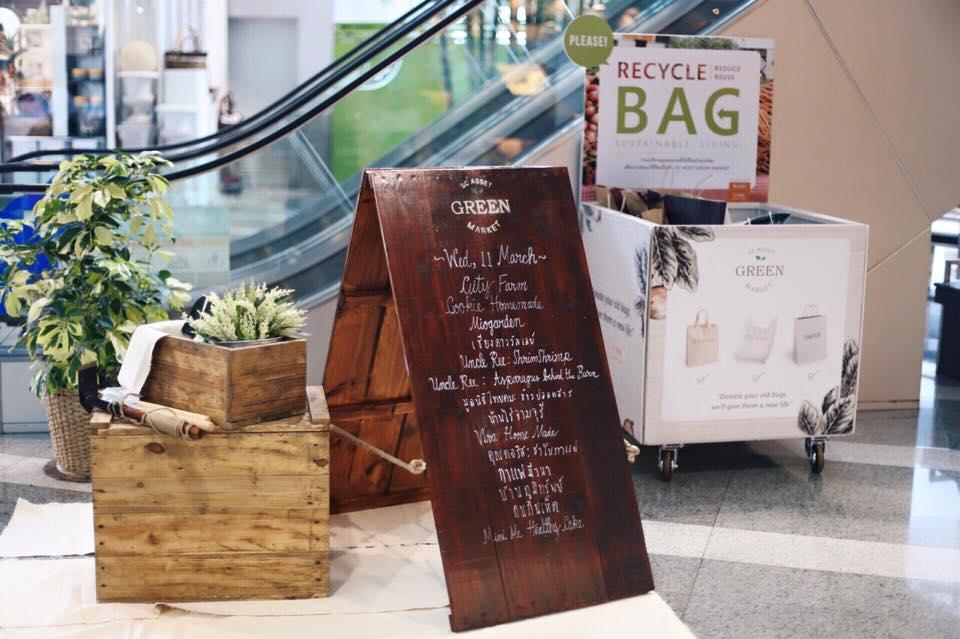
Waste — Generation, Disposal & Recycling
Waste Generation, Disposal & Recycling
| Metric | Current Year | Previous Year | Two Years Ago |
|---|---|---|---|
| Total waste generated (Kilograms) | 506,859.7 | 421,032 | 176,169 |
| Non-hazardous waste (Kilograms) | 506,859.7 | 421,032 | 176,169 |
| Non-hazardous waste - Landfilling (Kilograms) | |||
| Non-hazardous waste - Incineration (with energy recovery) (Kilograms) | |||
| Non-hazardous waste - Incineration (without energy recovery) (Kilograms) | |||
| Non-hazardous waste - Other disposal operations (Kilograms) | |||
| Hazardous waste (Kilograms) | |||
| Hazardous waste - Landfilling (Kilograms) | |||
| Hazardous waste - Incineration (with energy recovery) (Kilograms) | |||
| Hazardous waste - Incineration (without energy recovery) (Kilograms) | |||
| Hazardous waste - Other disposal operations (Kilograms) | |||
| Total reused/recycled waste (Kilograms) | 76,975.7 | 78,015 | 35,453 |
| Reused/Recycled non-hazardous waste (Kilograms) | 76,975.7 | 78,015 | 35,453 |
| Reused non-hazardous waste (Kilograms) | |||
| Recycled non-hazardous waste (Kilograms) | |||
| Reused/Recycled hazardous waste (Kilograms) | |||
| Reused hazardous waste (Kilograms) | |||
| Recycled hazardous waste (Kilograms) |
Waste — Targets
Has Set Targets
Yes
Targets
| Waste Type | Disposal Approach | Target | Base Year | Base Year Value | Target Year | Target Change (%) | Unit | Per Unit (Intensity) | Per Unit — Please Specify |
|---|---|---|---|---|---|---|---|---|---|
| Non-hazardous waste | 2758 · Description: Reuse · 2759 · Description: Recycle | Reduce waste volume | 2,022 | 3.96 | 2,022 | 5 | Kilograms | Other | Kilograms per Square meter per Year |
Waste — Performance & Outcomes
Has Performance Results
Yes
Performance Description
In 2025, the Company introduced waste and waste management initiatives aimed at minimizing landfill waste and decreasing greenhouse gas emissions associated with waste management. The outcomes of these efforts are detailed below:
Waste Reduction and Recirculation from Construction Phase: The Company has effectively minimized waste at its source by increasing the use of pre-cut and pre-bent steel in 14 projects, thereby reducing steel consumption by over 1,000 kilograms and enhancing the efficiency of on-site scrap management. In 2025, scraps from lightweight bricks used in construction were repurposed into 120 plant containers. Additionally, old advertising vinyl banners were transformed into 200 multi-purpose bags, which were distributed to construction workers and villagers in nearby communities, resulting in a reduction of 2 tons of construction waste sent to landfills.
Waste management in office buildings: The “Green Life Green Work” project enabled the company to segregate recyclable waste from office buildings, amounting to 76,976 kg. Furthermore, the installation of food waste disposals for fertilizer production reduced organic waste by over 43% of the total building waste. 33,256 kilograms of food waste were transformed into organic fertilizer for maintaining green areas and landscapes on the Company’s office buildings and residential projects.
Waste Management: In 2025, the Company achieved a significant reduction in greenhouse gas emissions through comprehensive waste management, eliminating 12 tonnes of carbon dioxide equivalent (tCO2e). This achievement is a crucial step towards the SCero Mission’s goal of reducing greenhouse gas emissions by 100,000 tCO2e by 2030.
GHG — Plan & Guidelines
Has a GHG Management Plan
Yes
Plan Description
The Company is dedicated to achieving net-zero greenhouse gas emissions by 2065. In 2025, it enhanced its greenhouse gas management plan under the SCero Mission to advance the objective of reducing cumulative greenhouse gas emissions by 100,000 tonnes of carbon dioxide equivalent (tCO2e) by 2030. The Company’s greenhouse gas (GHG) inventory covers the head office, the common areas of four rental properties, and all project sales offices. The assessment follows the ISO 14064-1 standard for the quantification and reporting of emissions. By analyzing these results, the Company can identify key impact areas and refine its strategy for becoming a low-carbon organization. Total emissions are measured in tonnes of carbon dioxide equivalent (tCO2e) and categorized into the following three scopes:
Scope 1: Direct Emissions – This category includes all direct GHG emissions from sources owned or controlled by the Company. This covers fuel consumption for the corporate vehicle fleet, chemical usage in wastewater treatment processes, and fugitive emissions from refrigerant refills and fire suppression systems.
Scope 2: Energy Indirect Emissions – This scope accounts for GHG emissions from the electricity consumptions of the Company’s businesses.
Scope 3: Other Indirect Emissions (Value Chain) This includes emissions that occur in the Company’s value chain, including employee commuting, water consumption, paper usage, waste disposal, and general procurement of the head office.
Plan Document Link
https://www.scasset.com/en/sustainability/sustainability-report/
GHG — Emissions
GHG Emissions
| Metric | Current Year | Previous Year | Two Years Ago |
|---|---|---|---|
| Total GHG emissions (Metric tonnes of carbon dioxide equivalent) | 9,757 | 10,592 | 9,510 |
| Total greenhouse gas emissions 1 (Metric tonnes of carbon dioxide equivalent) | 617 | 647 | 598 |
| Total greenhouse gas emissions 2 (Metric tonnes of carbon dioxide equivalent) | 7,494 | 8,008 | 7,085 |
| Total greenhouse gas emissions 3 (Metric tonnes of carbon dioxide equivalent) | 1,646 | 1,937 | 1,827 |
GHG — Emissions Verification
Emissions Verified by a Third Party
Yes
Verifying Body
2656
Verifying Body — Please Specify
Bureau vertification (Thailand) Co., Ltd.
Verification Web Page
https://www.scasset.com/en/sustainability/sustainability-report/
GHG — Principles & Standards
Principles & Standards Applied
| Standard |
|---|
| 2672 |
| 2677 |
GHG — Targets
Has Set GHG Targets
Yes
GHG Targets — Net Zero
Net Zero Targets
| Emission Scope | Base Year | Base Year Emissions | Near-term Target Year | Near-term Target Value | Near-term Target Change (%) | Long-term Target Year | Long-term Target Value | Long-term Target Change (%) | Target Year | Target Year Emissions | Target Change (%) | Unit | Per Unit (Intensity) | Per Unit — Please Specify |
|---|---|---|---|---|---|---|---|---|---|---|---|---|---|---|
| 2716 | 2,022 | 0.26 | 2,025 | 0.23 | 17 | 2,030 | 0.19 | 25 | 2,025 | 0.23 | 17 | Metric tonnes of carbon dioxide equivalent | Other | tCO2e per Square meter |
GHG — Performance & Outcomes
Has Performance Results
Yes
Performance Description
In 2025, the Company achieved a key milestone toward its 2065 Net Zero commitment by reducing cumulative greenhouse gas emissions by 39,696 tCO2e. This progress is a critical driver of our target to reduce emissions by 100,000 tCO2e by 2030, demonstrating our consistent endeavor in lowering our carbon footprint.
To proactively manage our carbon footprint, the Company is implementing targeted reduction strategies across all emission scopes. For Scopes 1 and 2, we continue to expand our solar rooftop installations across residential and rental assets while transitioning our corporate fleet toward Electric Vehicles (EVs). To address Scope 3 (Value Chain) emissions, we have strengthened collaboration with our partners through a robust Green Procurement Policy, prioritizing low-carbon building materials, such as eco-friendly steel and concrete.
To ensure both safety and sustainability, it mandates the use of environmentally friendly building materials backed by formal certifications and labels. This selection process enables the Company to minimize greenhouse gas emissions throughout its business operations, integrating environmental responsibility directly into our business procedures.
Eco-Friendly: Priority is given to energy-efficient materials with Carbon Footprint of Product (CFP) certification, directly supporting climate change mitigation efforts.
Energy Efficiency: Selection of sustainable materials that emphasize resource conservation, extended lifespans, and high recycled content to minimize environmental impact.
Health Living: Integration of non-toxic and high-performance materials designed to enhance the indoor environmental quality and overall well-being of residents.
The Company is committed to increasing the proportion of environmentally friendly building materials to at least 90% of our total construction procurement. This strategy is designed to both reduce our carbon footprint and ensure a healthy living environment for our residents. In 2025, the Company’s green procurement volume accounted for 94% of its total procurement value, resulting in a carbon mitigation of 13,076 tCO2e. Furthermore, to ensure indoor environmental quality in its residential projects, the Company has standardized the use of Low-VOC (Volatile Organic Compound) paints across 100% of its projects, representing 100% of the total house paint procurement value. These non-toxic paints provide customers with a safe and healthy living environment when they move in.
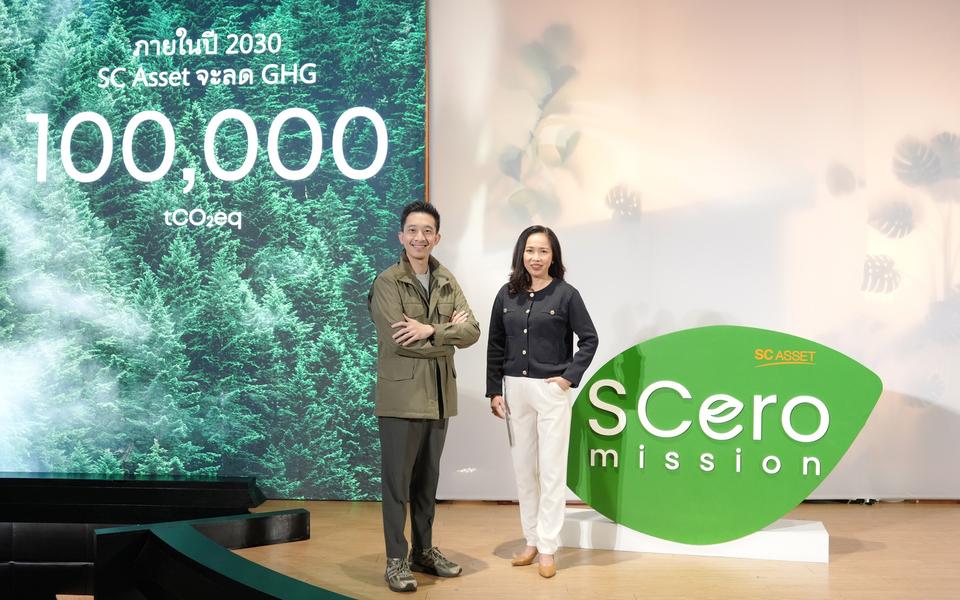
The Company actively collaborates with suppliers to develop resource-efficient solutions through advanced pre-fabrication. By adopting factory-processed cut-and-bend steel and custom-length PVC piping, the Company has significantly optimized material yields while eliminating the on-site offcuts and dust generation typically associated with manual cutting. Supporting these efforts is the use of Building Information Modeling (BIM), which ensures high-precision measurements that are transmitted directly to manufacturers. This integrated approach enhances construction efficiency and reduces errors, effectively minimizing the overall environmental footprint by preventing surplus material waste at its source. Moreover, the Company has identified strategic opportunities to enhance supply chain resilience through a dedicated capacity-building initiative for 40 key suppliers, titled 'SCero Together+.' This program is designed to deepen supplier expertise in Greenhouse Gas (GHG) emissions and Carbon Footprint of Product (CFP) for their products. A primary objective of this project is the establishment of emissions database for its construction materials. By creating these baseline values, the Company can use these data to achieve its long-term Net Zero targets.
Indicators | Goals | Performance | Unit | |||
2023 | 2024 | 2025 | 2026 | |||
1. Greenhouse Gas Emissions Reduction* | Short-term Goal | 320 | 12,390 | 13,405 | 13,581 | tCO2e |
2. Greenhouse Gas Emissions Reduction from Green Procurement | Reduce greenhouse gas emissions of 13,000 tCO2e by 2026. | N/A | 12,000 | 12,015 | 13,076 | tCO2e |
3. Green Procurement | Green procurement accounts for over 90% of the total value of building material procurement. | 27.5 | 45 | 85 | 94 | % |
4. Sustainable Building Standard Certification | Achieve sustainable building standard certification for at least 1 leased office building by 2025 Achieve sustainable building standard certification for warehouses, covering at least 10% of total leasable area, by 2025 | - - | - - | - - | 1** 12%*** | Project Total Leasable Area |
Note:
* The greenhouse gas emission boundary is defined using the Operational Control approach
** Shinawatra Tower 3 has achieved the WELL Health-Safety Rating certification
*** Amata City Chonburi Warehouse, Building A has achieved the TREES certification at Gold level
Environmental Legal Incidents
Legal Violation Incidents
| Metric | Current Year | Previous Year | Two Years Ago |
|---|---|---|---|
| Number of cases or incidents of legal violations or negative environmental impact (cases) | 0 | 0 | 0 |
Other Environmental Management
Introduction
Air Quality Management in the Company’s Construction Sites
The Company places significant importance on dust pollution arising from construction activities across all projects, with a target to develop measures and methods to reduce Total Suspended Particulates (TSP) and PM-10 levels particularly in off-site areas adjacent to project boundaries by 50% from the 2024 baseline, in order to mitigate dust-related impacts on surrounding communities. The Company also actively monitors, engages, and collaborates with local communities on an ongoing basis to identify and implement appropriate mitigation measures.
In 2025, the Company engaged S.P.J. Scientific Co., Ltd. to conduct systematic dust measurements of both TSP and PM-10 within project sites and in adjacent off-site areas. According to the Environmental Impact Mitigation and Monitoring Report, the average TSP concentration across all projects was 0.034 mg/Cubic Meter and the average PM-10 concentration was 0.015 mg/Cubic Meter, both of which are within the permissible standards prescribed under National Environmental Board Notification No. 24 (B.E. 2547) on Ambient Air Quality Standards, which set reference limits of 0.330 mg/Cubic Meter for TSP and 0.120 mg/Cubic Meter for PM-10.
Compared to the 2024 measurement results, the Company achieved a 69% reduction in TSP and a 78% reduction in PM-10, surpassing the established targets. These results reflect the Company's concrete commitment to controlling and managing dust pollution in order to preserve air quality and sustain a healthy environment for communities surrounding its project areas.
Employees — Plan & Guidelines
Introduction
The Company has implemented the "Thriving Together" strategy to foster mutual growth among customers, employees, the organization, and the environment. In addition to the Company's commitment to creating value for all stakeholder groups under its "Create Value for People and the World" philosophy, the Company delivers value to employees through the "People Thriving" strategy to ensure a positive employee experience. This approach enhances employee productivity and contributes to sustainable success in both people management and business operations. The "People Thriving" strategy delivers value across five dimensions (5Ps) as follows:
Pay: Employees receive fair compensation aligned with their roles, capabilities, and performance through the "Pay for 3Ps" approach: Position, Person, and Performance. This approach links compensation to both company objectives and individual performance outcomes, ensuring pay equity across the organization.
Perks: Employees enjoy comprehensive well-being through welfare programmes covering physical, mental, and financial health. The Company offers flexible benefits including Flexi-Benefits, special leave days, Workcation, 30-day paternity leave, Flexi-Hours, and sports clubs to promote work-life balance and enhance organizational commitment.
People: The Company fosters employee growth and development through Performance Check-in, emphasizing collaborative goal-setting, skills development, and continuous feedback exchange, complemented by Upskill & Reskill programmes and career growth opportunities within the #SCSkyDive organizational culture.
Pride: Employees take pride in being part of the Company through regular communication channels such as quarterly All Hands meetings and collective celebration events. These initiatives provide clear visibility into the Company's growth direction and motivate employees' self-development.
Purpose: Employees engage in meaningful work that creates value for customers under the company’s purpose "Create Value for People and the World", delivering quality products and services. The Company recognizes and celebrates employee achievements to inspire innovation and continuous improvement in work processes.
Labour Management in the Supply Chain
The Company recognizes labour-related risks in the supply chain that may impact organizational sustainability. Therefore, it has established a systematic labour management plan for business partners and contractors by assessing labour risks based on defined criteria to identify high-risk groups and monitor them closely. The Company requires all business partners and contractors to strictly comply with the Code of Business Conduct for Suppliers and applicable labour laws, particularly prohibiting the use of illegal migrant workers and child labour at all stages. In cases of non-compliance, the Company will notify the parties to implement corrective actions within a specified timeframe. If no concrete improvement is made, the Company may consider terminating the business relationship to maintain labour standards throughout the supply chain and ensure long-term organizational sustainability. (For further information, please refer to "Supplier Management and Supply Chain Management")
Human Rights
| Human Capital Management
| Health & Safety
|
Has an Employee Management Plan
No
Employees — Workforce
Introduction
Strategic Workforce Planning
The Company regularly reviews and plans its workforce to ensure the organizational structure aligns with strategic direction. The HR Department analyzes workforce requirements based on work plans and key positions of each department to determine the appropriate approach. The Company prioritizes leveraging internal talent first through role adjustments and employee transfers to meet organizational needs before considering external recruitment, enhancing agility, reducing resource redundancy, and managing personnel costs efficiently while supporting sustainable business growth.
Recruitment and Selection of Personnel
The Company values personnel recruitment under the principles of Equal Opportunity Employment, strictly adhering to its human rights policy. The Company provides equal opportunities to all applicants without discrimination based on gender, gender identity, religion, or personal differences. The Company does not require applicants to specify their gender identity in job applications, focusing instead on selection based on competence and integrity that aligns with the corporate culture and supports a diverse and inclusive work environment.
The Company has enhanced its recruitment process through Digital Recruitment to increase efficiency and transparency by implementing an electronic interview evaluation system with standardized criteria, reducing redundant procedures and supporting the Paperless policy to reduce environmental impact. Additionally, the Company applies Personal Data Protection measures (PDPA) throughout all candidate information collection stages and has established a complaint channel for any unfair treatment during recruitment, reinforcing confidence in transparency and corporate governance principles.
Employees with Disabilities — Introduction
Employment of People with Disabilities
The Company promotes and enhances the quality of life for people in society through employing people with disabilities, both within its business operations and through supporting employment via the "Jang Wan Kha" (Hire Me) project of the Mirror Foundation. This not only helps provide employment and income for people with disabilities in Thai society but also enables the Company to continuously support the development of quality of life for people in society in accordance with Section 35 of the Persons with Disabilities Empowerment Act B.E. 2550 (2007). (For further details, please refer to the “Community and Social Management” section.)
Workforce Data
| Metric | Current Year | Previous Year | Two Years Ago |
|---|---|---|---|
| Total number of employees (Persons) | 1,676 | 1,531 | 1,473 |
| Number of male employees (Persons) | 855 | 784 | 774 |
| Number of female employees (Persons) | 821 | 747 | 699 |
| Total employment of disabled persons (people) | 15 | 12 | 11 |
| Total disabled employees (people) | 0 | 0 | 0 |
| Total male disabled employees (people) | |||
| Total female disabled employees (people) | |||
| Total disabled workers who are non-employee (people) | 15 | 12 | 11 |
| Contributions to the fund for promoting and improving the quality of life for disabled persons | 0 | 0 | 0 |
| Total number of male employees in operational level (Persons) | 608 | 534 | 527 |
| Total number of male employees in management level (Persons) | 239 | 242 | 239 |
| Total number of male employees in executive level (Persons) | 8 | 8 | 8 |
| Total number of female employees in operational level (Persons) | 628 | 549 | 506 |
| Total number of female employees in management level (Persons) | 190 | 195 | 189 |
| Total number of female employees in executive level (Persons) | 3 | 3 | 4 |
Employees — Remuneration & Provident Fund
Introduction
Fair Employee Compensation
The Company values fair and legally compliant remuneration and benefits for employees, implementing a compensation management plan based on key principles: fairness, transparency, and alignment with employee performance, to motivate and retain quality employees to grow sustainably with the organization.
Salary
The Company establishes a salary structure above legal requirements, considering workload, responsibilities, skills, competencies, and experience. Salaries are paid on time with no deductions unless legally permitted. The Company regularly reviews and updates the salary structure to align with the labour market and maintain competitive compensation.
Annual Bonus
The Company provides annual bonuses to reward employee performance by setting goals through the OKRs system, monitoring results based on KPIs, and calculating payments fairly, transparently, and reflecting actual performance.
Management of Working Hours and Overtime Compensation
The Company sets working hours not exceeding legal limits, manages employee overtime hours, and provides full overtime compensation at legally mandated rates to ensure employees receive fair remuneration.
Welfare and Benefits
The Company provides comprehensive welfare including statutory benefits (social security, provident fund, holiday leave) and supplementary benefits negotiated between employee representatives and the Welfare Committee, such as 30 days of paternity leave and a 10,000 Baht single-person benefit for employees aged 45 and above, to comprehensively support employee health and life stability.
These practices reflect the Company's commitment to treating employees fairly, transparently, and in compliance with laws and international standards, helping to motivate employee engagement and serving as a crucial foundation for driving the Company's sustainable growth.
Remuneration & Provident Fund
| Metric | Current Year | Previous Year | Two Years Ago |
|---|---|---|---|
| Total disabled employees (people) | 1,076,407,300 | 1,277,534,200 | 1,377,479,600 |
| Total male employee remuneration (Baht) | 631,598,400 | 774,529,000 | 856,891,200 |
| Total female employee remuneration (Baht) | 444,808,900 | 503,005,200 | 520,588,400 |
| Number of employees eligible to participate in PVD (persons) | 1,058 | 1,115 | 1,472 |
| Total number of employees joining employee provident fund (Persons) | 928 | 1,018 | 1,200 |
| Percentage of total number of employees joining employee provident fund to total number of employees (%) | 55.37 | 66.49 | 81.47 |
| Number of PVD members / Total eligible employees (%) | 87.71 | 91.3 | 81.52 |
| Total amount of provident fund contributed by the Company (Baht) | 36,913,324 | 45,695,482 | 42,167,297 |
| Total amount of provident fund contributed by employee (baht) |
Employees — Training & Development
Introduction
Employee Training and Development
Under the "Rethink to Reform" strategy, the Company is committed to enhancing human resource management to strengthen competitiveness and achieve long-term objectives. The Company emphasizes holistic employee development through the Head, Heart, and Hand model alongside the 5P People Thriving Model, focusing on fostering knowledge, strategic thinking, effective operational capabilities, and organizational commitment, while providing equal career growth opportunities to employees at all levels.
Process of Employee Training and Development
The Company systematically develops employee potential by first assessing performance and development needs through joint discussions between employees and supervisors, leading to the creation of an Individual Development Plan (IDP) using the 70-20-10 learning model, which emphasizes learning from real experiences and learning from others alongside formal training. Development is implemented through various courses ranging from mandatory safety training to leadership development and specialized skills, with supervisors serving as mentors and monitoring results to ensure practical application of knowledge.
Monitoring and Evaluation System
The Company has established a continuous monitoring and evaluation system through annual performance evaluations and tracking individual IDP progress. Results are analyzed to review the effectiveness of learning courses and used as crucial information for preparing promotions and Succession Planning for key positions, ensuring that personnel development approaches align with business direction and employee needs.
Between 2024 and 2025, the Company has prioritized the continuous development and enhancement of human resource management and development plans, focusing on strengthening Leadership Capability at all organizational levels alongside preparing personnel for more diverse and challenging future roles.
Since 2024, the Company has continuously implemented the Leadership Development Program (LDP) to develop high-potential employees and systematically build the organization's Talent Pool, focusing on preparing leadership skills, strategic thinking, and team and organizational leadership capabilities. Currently, the LDP comprises 4 cohorts with a total of 100 participants, strengthening the Talent Pool and achieving 86% succession planning coverage for Critical Positions. Additionally, the Company has elevated the role of supervisors to serve as Coaches and Partners in employee development and improved learning approaches to better connect with actual work, ensuring leadership development and personnel potential deliver clear results aligned with long-term business growth.
Types of training for employees
To maximise the full potential of its personnel, the Company has developed and implemented employee development projects at all levels through a range of courses and learning activities, focusing on four main groups:
Mandatory Training and Safety Training Program
Leadership Development Program for Future Leader
Functional Development Program
Courses & Activities for the Customer Touchpoint Group
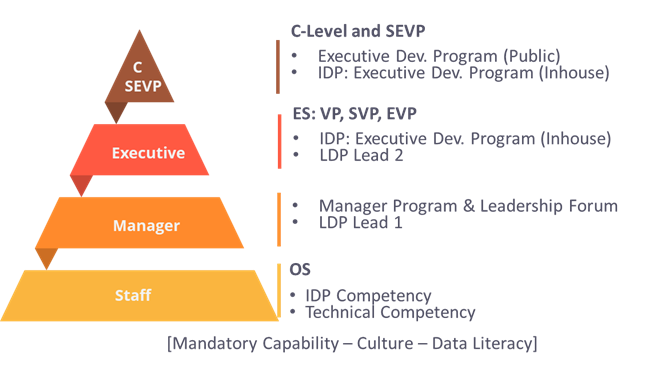
In 2025, the Company provided both internal and external training programs, with total training hours categorized as follows:
4 Main Course Group Programs | Total Training Hours |
Mandatory Training and Safety Training | 7,043 |
Leadership Development Program for Future Leader | 8,921 |
Competency and Functional Development Program | 5,309 |
Courses & Activities for the Customer Touchpoint Group | 10,370 |
Total training hours: 31,643hours
Total number of training courses: 113 courses
The Company encourages continuous learning opportunities among employees, including training sessions, external seminars, and the SC Evo Innovation 2025 project, which has been organised for the second consecutive year. This year, the Company prioritises integrating technology, particularly AI, to enhance operational efficiency. Under the concept of “Speed up, Spark up, and Save up,” over 185 ideas from were submitted to participate in the project, showcasing active employee involvement in fostering innovation and applying knowledge to create sustainable value for the organisation.
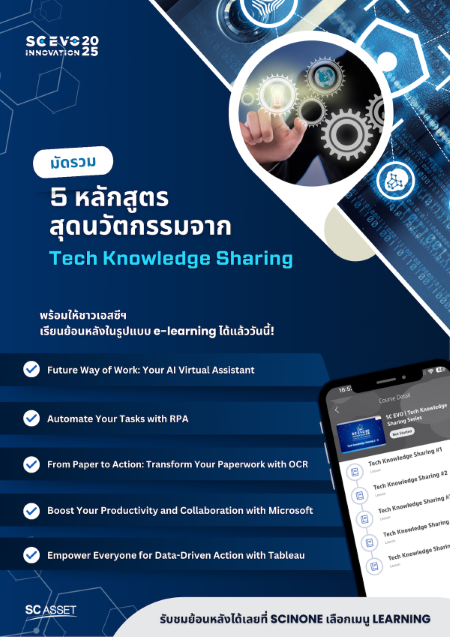
Example of the Course Design of Sales Skills Development and Sales Support for Customer Touchpoint Group
The Company has designed training courses for personnel in revenue-generating departments such as marketing, sales, and sales support (or Customer Touchpoint Group) to enhance knowledge in products, services, finance, and sales-related systems. In 2025, the Company focused on systematically organizing training courses from foundational Service Mindset and standardized sales and service processes to developing strategic skills and sales leadership, emphasizing customer value creation, trust building, and emotional connection with the brand through Strategic Sales Planning courses for managers and persuasion and positive influence techniques for all levels, to align with current business context and strategies and respond to genuine customer needs.
Training Outcomes in 2025
100% of employees in revenue-generating departments received training under Touchpoint courses aligned with their skills development plans
Target group rated learner satisfaction (Net Promoter Score: NPS) at 100%, exceeding the training target of 85%, with Touchpoint group feedback indicating that knowledge and skills learned could genuinely assist in sales amid the need to adapt sales strategies in 2025
The developed courses met employee needs with content relevant to actual work, enabling employees to practically apply knowledge and skills, reflecting the effectiveness of course design connected to work context, hands-on practice through simulations, and continuous learning, which helped strengthen sales skills and customer service quality, leading to enhanced customer experience and sustainable business value creation.
The Company has enhanced its performance management process through Performance Check-in, a crucial mechanism for driving performance and tracking personnel skill development across the organization, emphasizing quality interactions between supervisors and teams every quarter. This process helps create clear understanding of the team's strategic goals and objectives through the OKRs system and monitors the progress of individual development plans, ensuring employees receive training that meets their needs and strengthens their readiness to adapt to change (Upskilling & Reskilling). In 2025, 100% of employees were evaluated and discussed through the Performance Check-in process, and all those who completed their probation period were included in IDP plans.
(For further information, please refer to "Internal and External Training of Employees" in the "Social Performance from 2022 to 2025" at https://www.scasset.com/en/sustainability/sustainability-report/)
Training Data
| Metric | Current Year | Previous Year | Two Years Ago |
|---|---|---|---|
| Average employee training hours (Hours / Person / Year) | 18.54 | 19.16 | 23.29 |
| Employee development and training expenses (baht) | 10,938 | 10,307 | 11,529 |
Employees — Occupational Health & Safety
Introduction
The Company highly values occupational health and safety at work. It has established the Safety, Occupational Health, and Working Environment Committee to oversee employees in both office buildings and construction projects, ensuring their safety and a suitable working environment.
The Committee oversees, supervises, and monitors safety in accordance with the "Occupational Health and Safety Policy and Guidelines" and enforces the "Safety and Working Environment Management Manual" and the Safety Checklist that comply with relevant laws, regulations, and the specific nature of each project. Additionally, the Committee regularly reports its oversight, supervision, and monitoring to the Corporate Sustainability and Corporate Governance Committee.
These efforts aim to strictly control safety within office buildings and construction projects, prevent and monitor work-related accidents, reduce the impact of losses and work stoppages among employees and contractor workers, ensuring that all employees and workers can perform their duties in a suitable environment, with the goal of continuously improving safety standards at work, reducing accidents, and ensuring no impact on the health and hygiene of employees and workers. (For further information, please refer to the topic "Safety, Occupational Health and Working Environment Policy and Practices" at https://www.scasset.com/en/sustainability/company-governance/ )
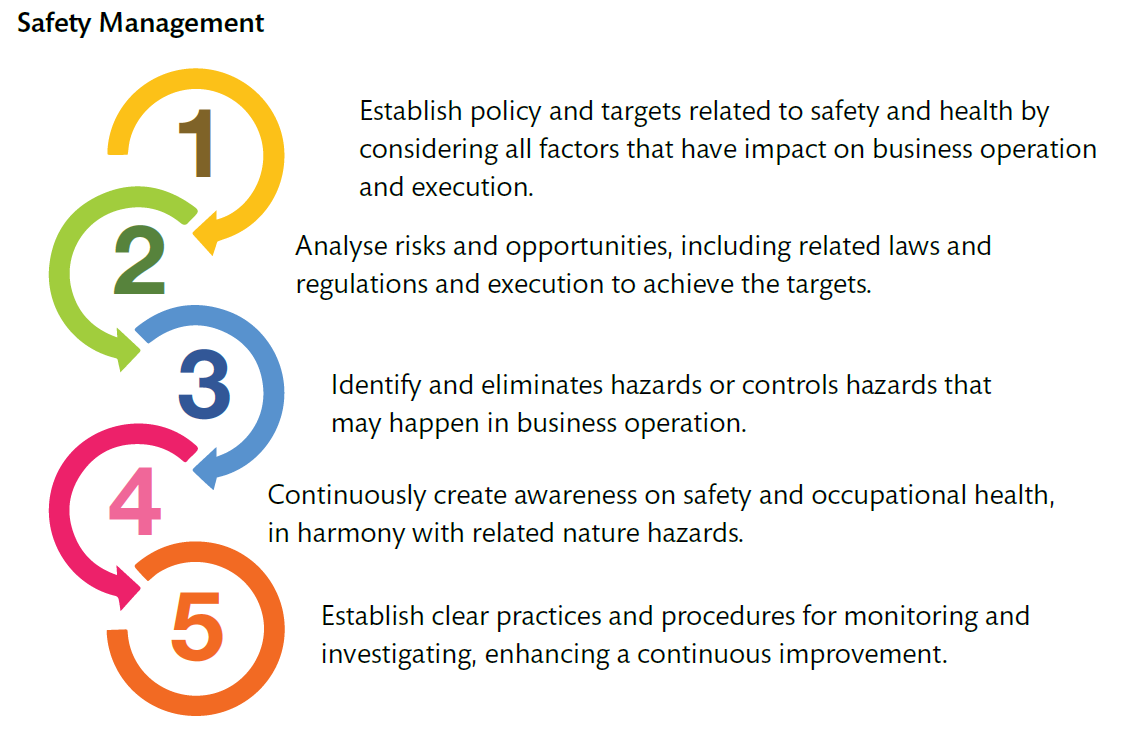
Source of Reference: https://www.tosh.or.th
Occupational Health and Safety Goals and Performance
Implementation | 2025 Goal | 2025 Performance |
The Lost Time Injury Frequency Rate: LTIFR of employees and workers in projects equal to zero | 0 | 0 |
Fatality Rate of employees and workers in projects equal to zero | 0 | 0 |
(For more information, please refer to “Social Performance of 2022-2025” at https://www.scasset.com/en/sustainability/sustainability/ )
Promoting a Safety Culture in the Workplace
The Company prioritises fostering a robust safety culture by embedding practical safety protocols among all employees, contractors, and workers. This initiative focuses on raising awareness of potential workplace risks and hazards, ensuring that all personnel are well-equipped to execute clear, actionable guidelines during emergencies. To maintain high safety standards, the Company communicates its Occupational Health and Safety policy and manuals through regular weekly and monthly safety meetings. We actively monitor unsafe acts and conditions, ensure rigorous incident and accident reporting for continuous improvement, and conduct safety campaigns to drive collective ownership of workplace safety. Our Safety Manual clearly defines the responsibilities across all departments, with project managers and engineers overseeing safety operations to mitigate risk factors and minimise work-related losses and injuries.
In 2025, the earthquake incident served as a critical lesson, prompting the Company to strengthen its emergency communication systems, specifically regarding site risk supervision and educating employees on home safety preparedness. Furthermore, we actively encourage the reporting of "Unsafe Acts and Unsafe Conditions" (UA/UC) to cultivate a proactive culture of inspection and prevention. This framework ensures that employees can immediately report hazards to their supervisors, reflecting the Company’s unwavering commitment to continuous safety standard enhancement and the active involvement of employees at all levels in maintaining a safe and sustainable working environment.
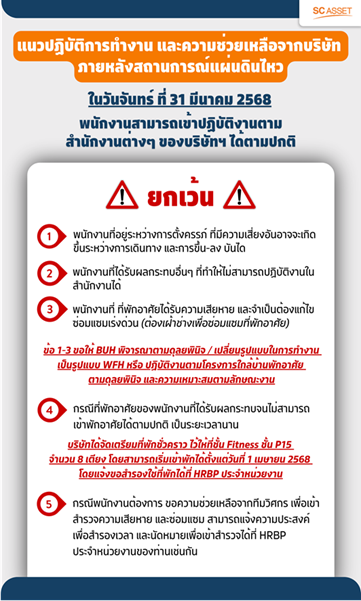
Hazard Identification and Risk Assessment
The Company gathers data, records, and statistics on the injury rate of its employees and workers on its projects. This includes information on occupational hazards or illnesses obtained from the Social Security Office and directly from its project areas. The purpose of this data collection is to identify and assess hazards, evaluate risks during the predevelopment and construction phases of the Company’s projects, and continuously refine and develop its safety management measures. This is achieved through workflow analysis to identify hazards and determine the safety work process, known as Job Safety Analysis (JSA).
The Company deploys the “Safety and Working Environment Management Manual” and the Safety Checklist to communicate with employees, contractors, and workers on projects. A monthly audit of safety measures and occupational health and working environment is conducted to monitor and enhance safety practices. This applies to all 70 projects across the Company’s businesses, including 63 low-rise, 4 high-rise, and 3 warehouse projects, as well as house, condominium, hotel, and warehouse developments under construction in 2025, and rental office buildings. The Quality Inspection Officer serves as the central unit for conducting on-site safety inspections and recording them through the SC QC Application each month. The Company has informed all employees to stay alert for identifying workplace hazards and to report work accidents on construction sites using the “SCinOne” application, as well as through other channels like supervisors and project engineers. This is to ensure the supervision, monitoring, and improvement of occupational safety and health across the organisation. The working group presents the audit’s performance and recommendations for operational guidelines to the Safety, Occupational Health, and Working Environment Committee quarterly to aid in further refinement the company’s policy and guidelines.
Risk Mitigation Plan and Risk Control
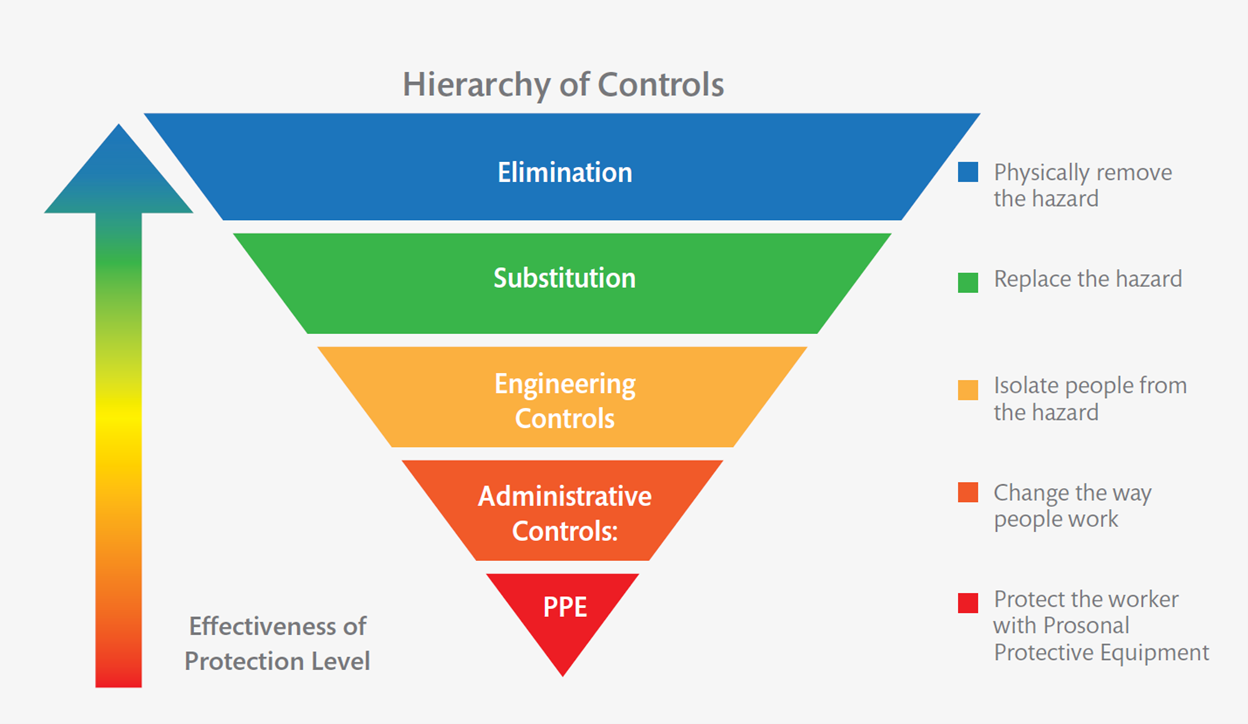
Source of Reference: https://www.cdc.gov/niosh/topics/hierarchy/default.html
Accident Report Procedures
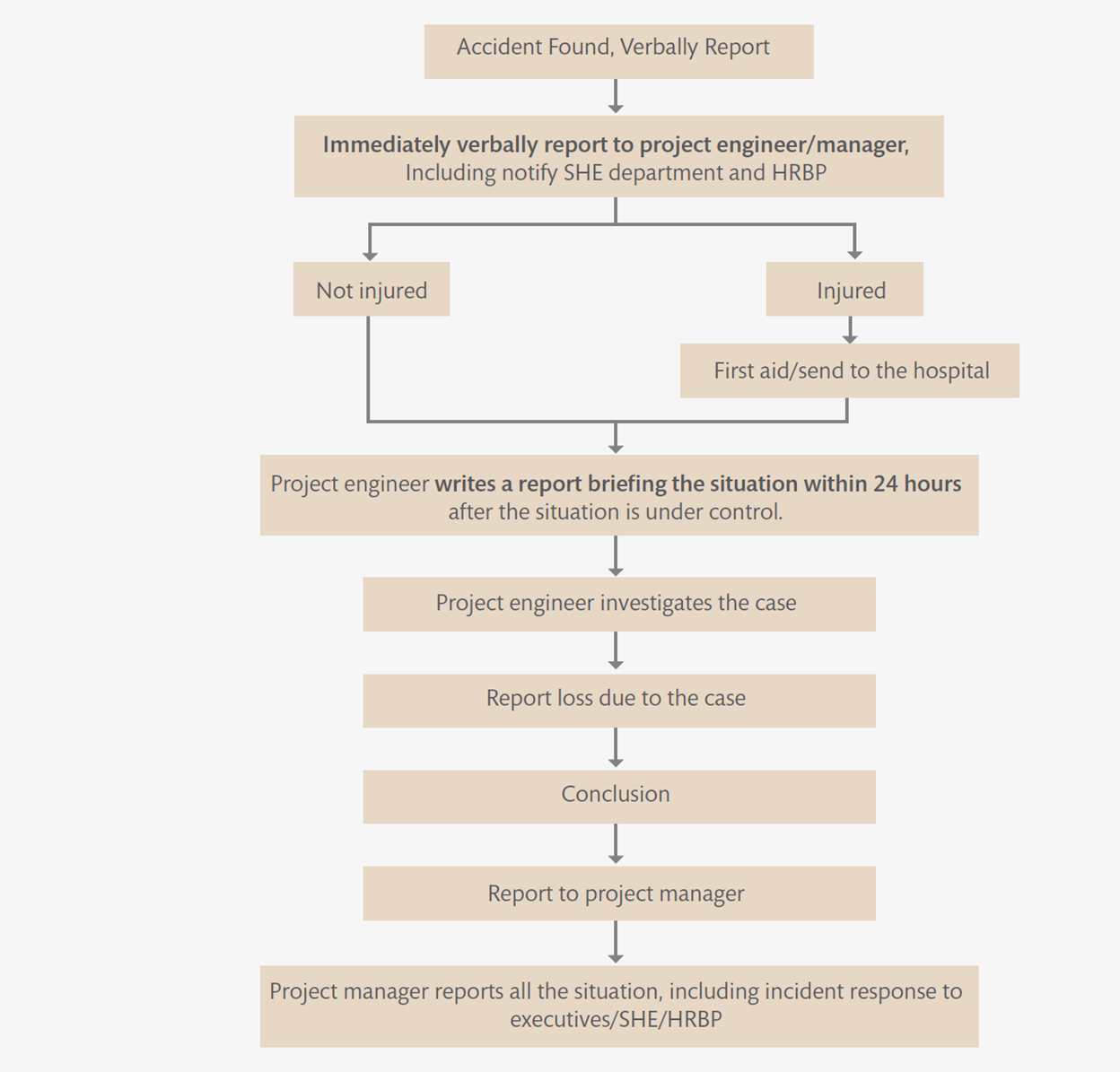
The Company introduced a new feature for reporting site safety inspection in the application “SCinOne” under the “SC ALERT” menu. Hazard alerts and accident reports can be submitted by all employees at any time, 24 hours a day, to the central unit responsible for overseeing occupational safety and the Occupational Health and Safety (OHS) Task Group, as illustrated below.
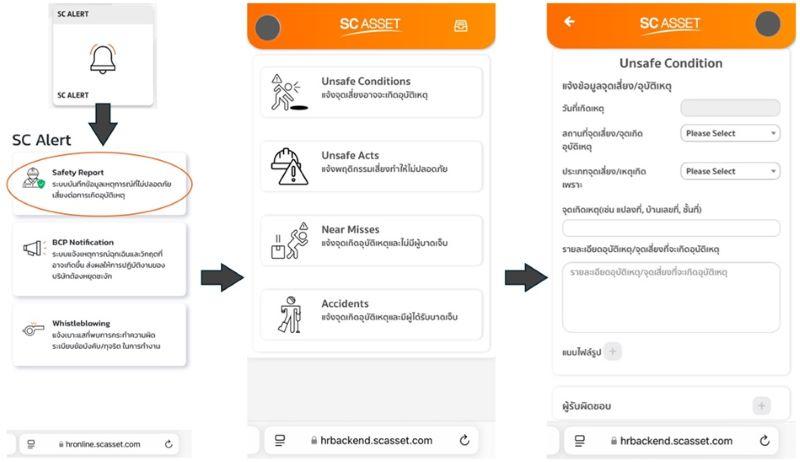
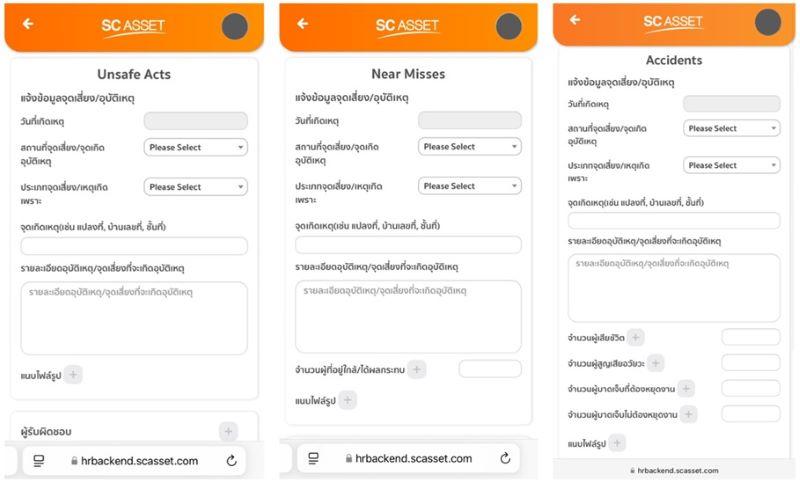
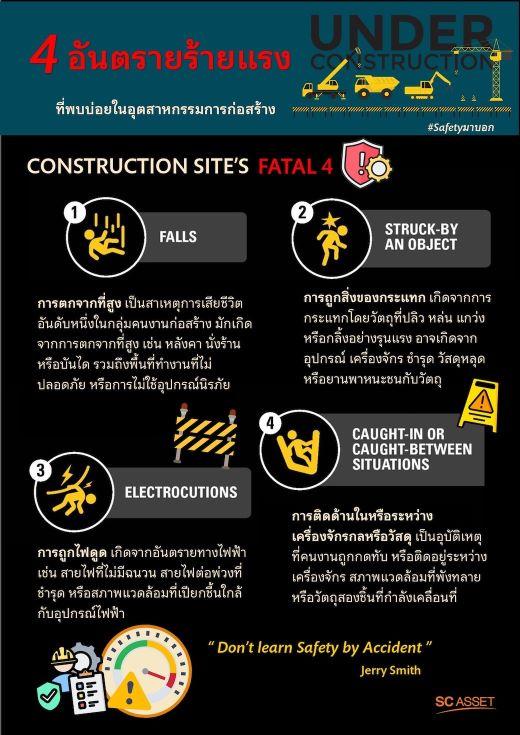
Examples of internal communication for work safety through email, SCinOne application,
and SC Teamwork LINE group chat.
Actions in case of Incidents in breach of the Safety and Environment Manual
Once the safety officer or supervisor finds that contractors do not follow the practice guides as indicated in the manual, the safety officer, or supervisor may act as follows:
If a contractor severely violates the safety, environment, and security rules, the safety officer or supervisor can suspend him/her until the incident is fixed. In this case, such contractor shall be responsible for all expenses incurred during the suspension period.
If a contractor does not comply with the Company’s policies or acts in violation of laws, the safety officer or supervisor may relocate him/her or remove such contractor, either individually or entirely.
In case it is found that contractors have modified or caused damage to the Company's property, including potentially causing danger, the contractor shall be fined as follows:
3.1 If the Company's property is damaged, the fine shall be 1.5 times the actual damage value.
3.2 If the property is damaged and may lead to accidents, the fine shall be 3 times the actual damage value.
3.3 If the property is damaged and may lead to loss of life, the fine shall be 5 times the actual damage value.
Training and Development in Safety
The employees, contractors, foremen/site supervisors, and contractors’ workers regularly acknowledged the Company’s occupational health and safety policy and guidelines at the start of each new development project and during every quarter for the projects under construction. Furthermore, in 2025, the Company conducted workplace safety training for nearly 749 participants, comprising employees, contractors, and foremen. The training aimed to improve their understanding of workplace safety protocols and equip them with the essential skills so that they can respond to an incident immediately or when there is an incident that poses a risk to workplace safety. The courses include:
Occupational Health, Safety, and Environment in Workplace for New Employees
Management-level Safety Officer course for High-Level Officers and Managers
Supervisor-level Safety Officer course for Supervisors
Basic Fire Extinguish course for all-level Employees, Contractors, Foremen/Site Supervisors, And Contractors’ Workers
(For more information, please refer to “Occupational Health, and Safety in Workplace” section under “Social Performance of 2022-2025” at https://www.scasset.com/en/sustainability/sustainability/)
Occupational Health & Safety Data
| Metric | Current Year | Previous Year | Two Years Ago |
|---|---|---|---|
| Total number of lost time injury incidents by employees (Cases) | 0 | 0 | 0 |
Employees — Labour Relations
Introduction
Employee Engagement Survey – People Thriving Score
Under the “Rethink to Reform” strategy, the Company is committed to elevating human resource management to sharpen our competitive edge and achieve long-term organisational goals. We have redesigned career paths and tailored development strategies to align with Individual Development Plans (IDP), ensuring all employees recognise their growth opportunities. This framework enabled the Company to effectively identify our Talent Pool and achieved 100% IDP completion across the organisation in 2025.
In 2025, the employee engagement survey saw a high participation rate of 95%, reflecting the “People Thriving” strategy. This initiative measures the “People Thriving Score” across five key dimensions (5Ps): Pay, Perks, People, Pride, and Purpose. The survey is structured into three core areas: 1) The 5Ps Strategy, 2) Well-being, and 3) #SCSkydive Corporate Culture. This year, the overall People Thriving Score reached 74%. The survey highlighted significant improvements in three areas: Communication, Work-Life Integration, and Organisational Pride. These gains resulted from our focus on transparent communication via quarterly All Hands meetings, bi-annual BU All Hands, and HR Clinic sessions, which foster a culture of active listening and feedback.
To ensure continuous improvement, the Company remains focused on enhancing inter-departmental collaboration, career advancement, and empowerment. We empower employees to navigate their careers through various pathways, including Vertical, Specialist, and Horizontal (Career Rotation) growth. Furthermore, we continue to strengthen employee autonomy and decision-making through dedicated leadership programs and continuous development activities.
Labour Relations Data
| Metric | Current Year | Previous Year | Two Years Ago |
|---|---|---|---|
| Total voluntary resignations (Persons) | 293 | 278 | 233 |
| Male employees who voluntary resigned (Persons) | 140 | 129 | 135 |
| Female employees who voluntary resigned (Persons) | 153 | 149 | 98 |
| Percentage of employee turnover leaving the Company voluntarily (%) | 17.48 | 18.16 | 15.82 |
| Evaluation result of employee engagement | 1 | 1 | 1 |
Employees — Employee Representation
Introduction
The Company promotes a culture of collaboration by actively engaging employees in the development of welfare and safety measures through the Welfare Committee and the SC People Champion (PPCP), which comprises elected representatives from all departments. Through structured consultations between employee representatives, management, and the committee, we co-create inclusive welfare initiatives—ranging from 30 days of paid paternity leave and "Single-Person Benefits" for employees aged 45 and over, to health-focused subsidies, gym support, and improved on-site resting and dining facilities. This collaborative approach not only ensures that benefits are responsive to the diverse needs of our workforce but also fosters high levels of employee engagement and morale, empowering our people to perform at their full potential within a supportive and inclusive environment.
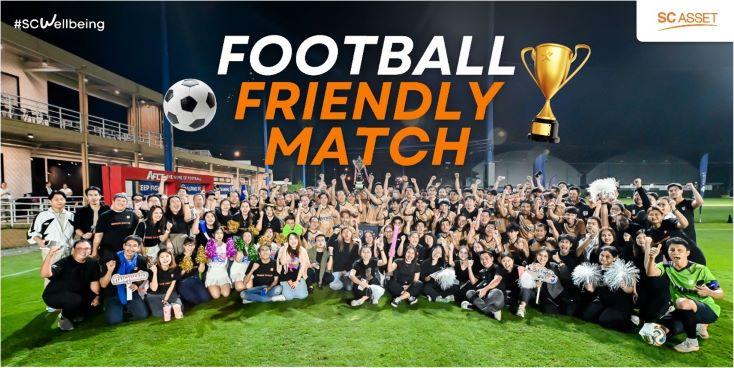
In 2025, the Company launched the "HR Clinic" initiative to strengthen employee engagement through a proactive feedback channel. The HR team conducted organisation-wide outreach, engaging directly with employees across all departments to capture diverse perspectives. These insights were integrated into discussions with management and the Welfare Committee, leading to tangible improvements in internal work systems, equipment, and facilities. Furthermore, the Company fostered cross-functional collaboration through engagement activities, such as internal sports events, aligned with the "4Cs" core values and the #SCSkyDive corporate culture. The HR Clinic project underscores our commitment to a responsive workplace environment, enabling employees to streamline collaboration and fully unlock their potential.
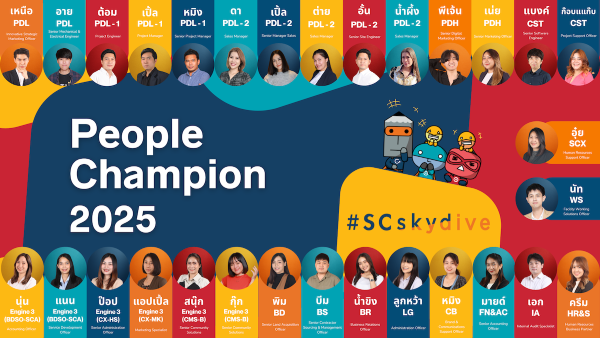
Additional welfare and benefits provided by the Company that covers all groups of employees, all ages, genders, and lifestyles exceeding legal requirements include:
‘Stand by You’ Benefits provide special subsidies for medical expenses for employees with depression and panic disorder.
Paternity Leave for Fathers: Male employees can take 30 days of leave to care for their wives and newborn children, starting from the day of birth.
Benefit for Single Person: Employees over 45 years old are eligible for a cash benefit of 10,000 baht.
Gender Equality Marriage Benefit: The Company offers a congratulatory cash of 10,000 baht to all newlywed employees, regardless of gender.
Workcation: Employees can travel and work from any location for 10 days.
Budget for job observation both domestically and internationally to enhance products, services, and work processes.
Fitness benefits include access to badminton courts and a fully-equipped gym at the Head Office, along with a monthly sports allowance of 400 baht.
Exclusive employee discounts are available for purchasing a house or condominium from the Company or staying at its affiliates’ hotel.
(For more information, please refer to “Numbers of SC People Champion Representatives and Welfare Committee” section under “Social Performance of 2022-2025” at https://www.scasset.com/en/sustainability/sustainability/)
Employees Are Represented Collectively
Yes
Forms of Representation
| Form | Other — Please Specify |
|---|---|
| Welfare committee | |
| Others | SC People Champion (PPCP): Employee Representatives |
Employees — Targets
Introduction
Implementation | 2025 Goal | 2025 Performance |
Employee Engagement Survey (People Thriving Score) Survey completion rate by employees | ≥ 70% 90% | 74% 95% |
Employees in the revenue-generating departments, including the marketing and sales departments, received training and knowledge on products, services, finance, and sales and revenue-generation work processes of the Company. | 100% | 100% |
Employees are required to complete the organization's training programs | 85% | 87% |
Each employee receives an average of training hours per year | 10 hours/ person/ year | 18.54 hours/ person/ year |
Labour and Human Rights Complaints in the Supply Chain | 0 case | 0 case |
Illegal labours in the supply chain | 0 person(s) | 0 person(s) |
Has Set Employee Targets
Yes
Targets
| Indicator | Target Areas | Target Year | Target Year — Description |
|---|---|---|---|
| Employee Engagement Survey (People Thriving Score) | 2990 · Other name: Employee Engagement · Description: Others | 2,025 | ≥ 70% |
| People Thriving Survey completion rate by employees | 2990 · Other name: Employee Engagement · Description: Others | 2,025 | 90% |
| Employees in the revenue-generating departments, including the marketing and sales departments, received training and knowledge on products, services, finance, and sales and revenue-generation work processes of the Company. | 2984 · Description: Employee training and development | 2,025 | 100% of employees in the Customer Touchpoint Group |
| Each employee receives an average of training hours per year | 2984 · Description: Employee training and development | 2,025 | Average 10 hour/person/year |
| Labour and Human Rights Complaints in the Supply Chain | 2990 · Other name: Human Rights throughout its Supply Chain · Description: Others | 2,025 | 0 |
| Illegal labours in the supply chain | 2990 · Other name: labours employment in the supply chain · Description: Others | 2,025 | 0 person |
Employees — Performance & Outcomes
Has Performance Results
Yes
Performance Description
Employee Management Awards in 2025
Top 50 Companies to Work for in Thailand: The leading organisations that the younger generation wants to work with the most. 30th by WorkVenture
Thailand Most Attractive Companies 2025 by QGEN
The Most Attractive Employer – Worker Over 35 Years Old: by Future Trends Awards
HR Asia Best Companies to Work for in Asia 2025 by HR Asia Magazine
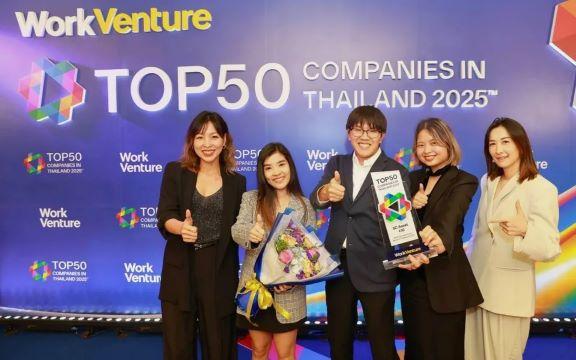
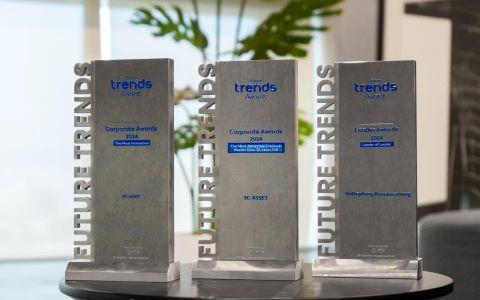

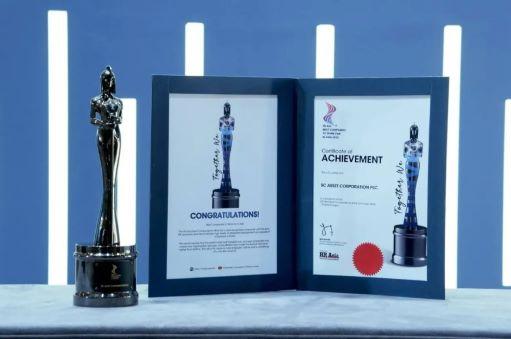
Fostering employee relationships and engagement
Organisational Culture: #SCSkyDive, the bedrock of sustainable growth
The Company understands that sustainable business outcomes are not solely derived from effective strategies or processes, but also from "the way people think, make decisions, and work collectively within the organisation." It continually promotes its corporate culture, #SCSkyDive, and 4Cs values to provide employees with clear and harmonious behavioural practices. This approach enables employees at all levels to align their efforts towards a common goal, promoting collaboration, quality decision-making, and continuous action, which leads to strong business performance alongside long-term stakeholder and societal stewardship.
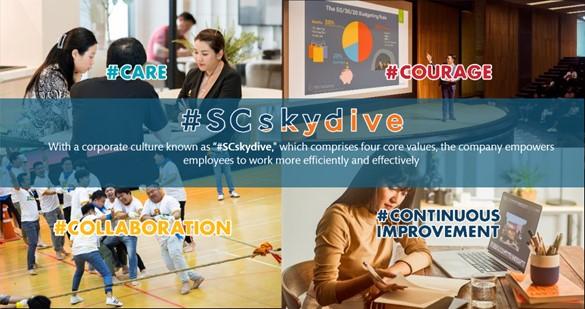
Driving Corporate Culture through SC People Champion
To ensure the corporate culture is effectively implemented, the Company has appointed SC People Champions, who are selected by management from each department, to translate and drive the culture down to the operational level. Their key roles include communicating and adapting the Company's cultural values to fit the context of each business group, acting as role models by embodying the organization's values for employees to learn from and apply in practice, motivating and encouraging employees to continuously adapt their behaviour in line with the Company's values, and working closely with the HR department to gather employee needs, provide consultation, and recommend improvements to welfare and benefits, fostering employee participation and promoting a sustainable corporate culture.
(For further information, please refer to the topic "Social Performance 2022 – 2025" at https://www.scasset.com/en/sustainability/sustainability-report/)
2. Communication to Promote Employee Engagement and Listening to Employee Feedback
2.1 Business Direction Communication Through SC All Hands and BU All Hands Meetings
The Company conducts business direction communication activities twice a year: SC All Hands at the organisational level and BU All Hands at the departmental level, involving employees from every department. The CEO and CCO communicate the Company's vision, mission, and strategic directions to ensure that employees collectively understand the goals and align their roles and responsibilities with the organisation's growth direction. In addition, executives of each business group convey key messages tailored to the specific context of each department to foster understanding, engagement, and enhance a sense of pride among employees.
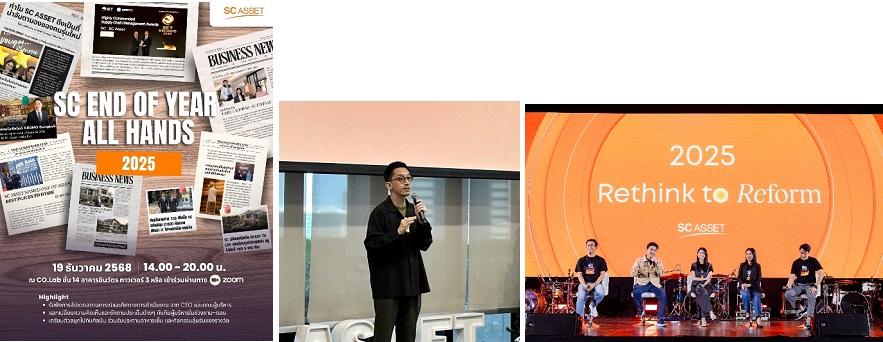

2.2 HR Clinic and HR Inclusive Project
HR Clinic: starting meaningful conversations with employees
The HR Department has implemented the HR Clinic project by conducting on-site visits to meet with employees across all departments to communicate the organization's operational direction, HR policies and practices, while providing a platform for employees to exchange ideas and share their work experiences, creating Meaningful Conversations. In 2025, the Company set a target for the project to reach at least 80% of employees and successfully exceeded this target, covering all functions across the organization, reflecting the Company's commitment to fostering genuine employee engagement and listening to employee voices.
HR Inclusive: Expanding Engagement to Support Departments
Building on the positive response from HR Clinic, the Company has extended the initiative to the HR Inclusive project, collaborating with key support departments including Procurement, Accounting and Finance, Information Technology, Marketing, and Corporate Communications and Branding. The project involves conducting on-site visits to gather feedback to improve work processes, systems, and inter-departmental coordination, enabling frontline employees to perform their duties more efficiently.
3. Activities to Promote Employee Well-being
The Company prioritises enhancing the quality of life for its employees across all dimensions, believing that physical, mental, and financial well-being are essential factors in fostering work capabilities and organizational commitment. In 2025, the Company designed well-being activities across three main dimensions:
Physical Well-being Activities include annual health check-ups, physical exercise activities, and daily health care to support employees in maintaining good health and reducing health risks.
Mental Well-being Activities focus on mental health care through activities that help enhance emotional management and coping with stress, as well as providing counseling through the Relationflip program to promote balance between work and personal life.
Particularly in 2025, the HR Department promptly implemented mental health support programmes following the earthquake to help restore employees' emotional and mental well-being, while conducting on-site visits to project-based employees and Contact Centre staff who worked intensively during the crisis, to boost morale and confidence, enabling employees to overcome the situation and return to work with stability and resilience.
Financial Well-Being
The Company supports employees' financial security through providing knowledge on financial planning, income and expense management, savings and investment, as well as benefits that enhance long-term stability, enabling employees to manage their financial lives appropriately and reduce anxiety.
Employee well-being across physical, mental, and financial dimensions enhances work energy, leading to increased productivity, engagement, and sustainable organizational growth.
SC Recognition Activities
The Company values recognizing and appreciating employee achievements through awards presented at each department's BU All Hands meeting to express gratitude for their dedication and contributions that are essential to the organization's success, helping to enhance pride and motivate employees to continuously develop their performance. The Recognition Program focuses on the Touchpoint group, employees who play a direct role in delivering excellent customer experiences from service and communication to customer care, reinforcing the organizational culture that values customers and concretely linking employee success to customer satisfaction.
Customers — Plan & Guidelines
Introduction
The Company is dedicated to enhancing real estate development by embracing ‘Creating Sustainable Value for a Good Quality of Life Every Day.’ This involves integrating functional design with innovations that promote well-being and comfort across all business segments, including residential products, office buildings, rental warehouses, and hotels. The Company prioritises selecting high-quality, energy-efficient materials to reduce costs and provide long-term value for customers, while upholding safety and hygiene standards. The Company consistently aims to deliver products and services that effectively satisfy and care for both customers and the environment.
Product & Service Quality
| Customer Relationship Management
| Innovation
|
Policies and Customer Management Guidelines for Sustainable Development
Our mission is to ensure every customer starts their day with a “Good Morning.” We are committed to designing and constructing all houses and condominiums with a customer-centric approach to deliver high-quality products and services to our residents at every level. We focus on innovation to meet the needs of all customer segments and continuously enhance our aftersales services through various channels, including the 24/7 Contact Centre 1749 and the RueJai App. The app provides essential information about materials and appliances, along with accurate usage and maintenance instructions, ensuring no false advertising. We strictly protect customer data through our privacy policies. (For further information, please refer to the “Corporate Governance Policy” section at https://www.scasset.com/en/sustainability/company-governance/) We conduct customer feedback surveys with every purchase to analyse and identify areas for improvement, ensuring we meet market needs in customer relationship management, satisfaction, and trust. This approach fosters word-of-mouth recommendations and leads to consistent customer repurchases.
The Company’s project development are crafted with these three main aspects:
Customer Needs and Product Design: Designing product and service that reflect lifestyles, changing generations, and unique needs of customers and tenants throughout Company’s various businesses, including residential projects, commercial office building and warehouse for lease, and hotels.
Integrated Technology & Solution Offerings: Applying innovation and technology to its products to provide a diverse and fulfilling experience for customers and tenants.
Services & Living Quality: Improving pre-sales and post-sales services to assure customers and tenants of a better quality of life, enhanced product experience, and greater satisfaction with the Company’s products and services.
By following the mentioned product and service design, the Company can offer products categorised into three groups: Design Solutions (new products and improvements), Technology Solutions (new technology and innovation), and Construction Solutions (new construction methods). The Company adheres to its Real Estate Development Guidelines that include selecting land with consideration for environmental sustainability and easy access to public transportation, as well as universal and inclusive designs for people of all ages and those with disabilities. Additionally, it applies international standards such as TREES, LEED, WELL, and EDGE to develop environmentally friendly buildings in its property development, ensuring the well-being of building users, embracing new technologies and innovation, and meeting customer needs. (For further information, please refer to the "Real Estate Development Guidelines" at https://www.scasset.com/en/sustainability/sustainability/)
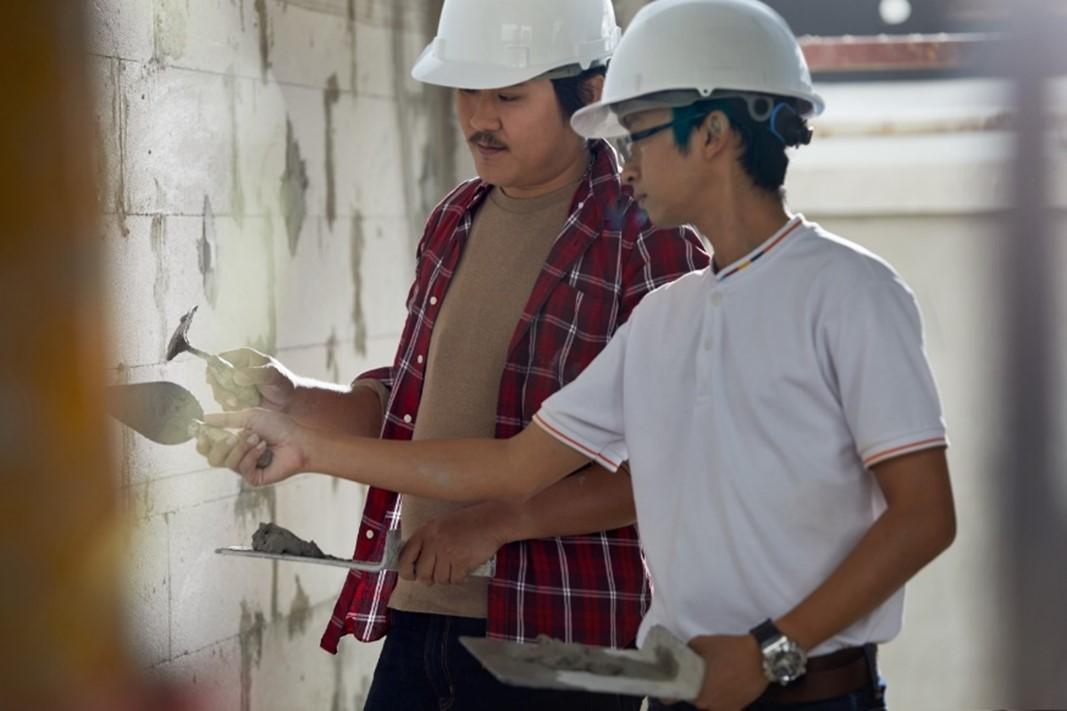
Has a Customer Management Plan
No
Customers — Satisfaction Results
Introduction
Customer Satisfaction Survey
The Company conducts comprehensive customer satisfaction surveys and evaluations across all business units and services year-round to capture vital feedback for continuous product and service enhancement. In 2025, the Company strategically refined its performance targets by shifting focus towards the delivery of high-quality products and services that achieve the highest satisfaction rating (Score of 5 out of 5). This shift underscores our commitment to excellence and customer-centric development, with the assessment results detailed as follows:
Customer Satisfaction of Product and Service Purchased on “RueJai App” (RueJai User Satisfaction Survey): In 2025, a 5-point satisfaction scale survey showed that 86% of customers who purchased products and services on the RueJai app were satisfied or highly satisfied with their experience.
Resident Satisfaction of Service Provided by Legal Entity Management Officer (CMSI-Community Management Satisfaction Index): In 2025, a 5-point satisfaction scale survey showed that 82% of residents in the Company’s projects managed by SC Able were highly satisfied with their experience.
Customers Satisfaction of Contact Centre 1749 Service Survey: In 2025, a 5-point satisfaction scale survey showed that 94% of customers who called Contact Centre 1749 requesting repair services, giving recommendations, and making complaints were highly satisfied with their experience.
Tenant Satisfaction of Rental Office Building Management: In 2025, a survey using a 5-point satisfaction scale showed that 70% of tenants in the Company’s rental office buildings were highly satisfied with technician services, building maintenance services, housekeeping, public relations, and building security services.
The Company has utilised the results to create products and services that address the constantly evolving needs of customers and cater to residents of all ages, continuously enhancing the quality of its products and services for customers.
The SC Contact Centre 1749 received a total of 17,186 calls, providing information and collecting customer feedback.
Results | 2023 | 2024 | 2025 |
Enquiry about Product and Service Information | 52% | 51% | 44% |
Service and Repair Request | 39% | 40% | 47% |
Complaint | 3% | 3% | 3% |
Compliment/Product and Service Recommendation | 2% | 2% | 1% |
Personal Information Update | 1% | 1% | 1% |
Others | 3% | 3% | 3% |
Total | 100% | 100% | 100% |
Customer Satisfaction Results
| Metric | Current Year | Previous Year | Two Years Ago |
|---|---|---|---|
| Evaluation results of customer satisfaction | 1 | 1 | 1 |
Customers — Targets
Introduction
Goal and Performance Results in Creating Value for Customers
Implementation | 2025 Goal | 2025 Performance |
Customer Satisfaction towards service quality*
| 85% 80% 65% | 86% 82% 70% |
Expenses in Research and Development of Innovation and Products for Well-being of Residents | - | 14 million baht |
Complaints about Information, Breaches of Customer Confidentiality | 0 Case | 0 Case |
Material Violation of Regulations in Marketing Communication | 0 Case | 0 Case |
Note: *The Company has adjusted the target and assessment of customer satisfaction with product quality to the highest score.
Has Set Customer Targets
Yes
Targets
| Indicator | Target Areas | Target Year | Target Year — Description |
|---|---|---|---|
| Complaints about Information, Breaches of Customer Confidentiality | 3010 · Description: Consumer data privacy and protection | 2,025 | Zero Complaint |
| Significant Instances of Non-compliance with Marketing Communications Laws and Regulations | 3008 · Description: Communication of product and service impacts to customers/consumers | 2,025 | 0 Case |
| Customers are satisfied with products and services provided by RueJai | 3009 · Description: Development of customer satisfaction and customer relationship | 2,025 | Very satisfied ≥ 85% |
| Customers are satisfied with legal entity management (Community Management Satisfaction Index: CMSI) | 3009 · Description: Development of customer satisfaction and customer relationship | 2,025 | Very satisfied ≥ 80% |
| Customers are satisfied with Rental Office Building Management (Office Satisfaction Index: OSI) | 3009 · Description: Development of customer satisfaction and customer relationship | 2,025 | Very satisfied ≥ 65% |
Customers — Performance & Outcomes
Has Performance Results
Yes
Performance Description
Responsible Product and Service Process towards Customers
Policies and Guidelines for Quality Control of the Company's Products and Services
The Company devotes to upholding the ethos of #SCisQuality as its core principle, ensuring that SC products are the customers’ first choice. The Company has continuously developed quality control standards for its products and services, including construction, repair, pre-sales, and after-sales services, as well as building and juristic person management. This is done to monitor and enhance business processes in accordance with relevant laws, rules, and regulations. Additionally, the Company has implemented a customer treatment policy to support its sustainable development, focusing on maintaining high-quality work to address concerns throughout the living experience and create a good quality of life for all customers.
The Company has implemented quality standards throughout its construction work, repair, and after-sales service, incorporating them into inspection checklists for pre-construction and during construction phases. It seeks to communicate and organise training for contractors, suppliers, and partners to foster a collective understanding and ensure the delivery of high-quality work from contractors. This is where the core of the Company’s value creation for customers be established.
Moreover, the Company prioritises the development of skills for its employees, supervisors, and contractors’ workers through annual professional training focused on collaboration processes and quality standards in construction and services. Additionally, it offers an online platform, SC Quality Check App, accessible anytime and anywhere, for employees to learn and review work standards. The app features over 70 tutorial video clips on standard construction practices, addressing particular processes that may lead to defects during construction.
Construction Quality and Service Quality Inspection Process
The Company implements a rigorous quality assessment framework for its suppliers and contractors, covering both the construction and post-construction phases. These evaluations focus on workmanship quality, delivery performance, service excellence, and responsiveness to issue resolution. Assessments are conducted on-site by project engineers and the central Product Quality Management team, with results integrated into the SC Quality Control Application (SC-QC App). This digital platform serves as a unified management tool for the construction, QC, and supplier teams to streamline complex workflows, reduce errors, and enhance operational efficiency.
Supplier Performance & Value Scoring: Evaluation data is systematically gathered to provide feedback to partners. Suppliers performing below our quality benchmarks are required to submit and execute a Quality Improvement Plan, with their progress closely monitored by the Company. Failure to meet these standards results in a reduction of their Value Score, directly impacting their eligibility for future bidding opportunities.
Transparency & Customer Assurance: To ensure high-quality delivery, all contractors and partners must adhere to strict Practical Completion Inspection standards. Furthermore, the Company enhances transparency by documenting construction phases and material specifications. Customers can access these verified records—including photos and technical specs—via the "Check Check" and "Home Spec" features on the RueJai App, ensuring confidence in the long-term quality and safety of their homes.
Customer Relationship Management
The Company’s primary mission is to “Create Good Mornings for All Customers,” emphasising a customer-centric approach. It places great importance on listening to customer feedback and brainstorming to continually enhance the quality of its products and services. The Company believes that the “customer voice” is a key strategy to meet the expectations of all customer groups, as evidenced by repeat purchases, positive word of mouth, and a favourable perception of the Company. These outcomes allow the organisation to systematically adjust internal processes, develop high-quality products and services to maximise customer satisfaction.
Voice of Customers
The Company actively captures the "Voice of the Customer" through diverse quarterly channels, including Focus Groups and the 1749 Contact Centre. A standout initiative during 2024–2025 is the "Home Visit" project, which involved over 60 executives, ranging from mid-level management to the Chief Executive Officer (CEO). Through the "Safe Your Home" inspection program, leadership teams engaged directly with residents to gain firsthand insights into their lifestyles, space utilisation, and specific pain points or areas for construction improvement. This direct engagement serves as a critical mechanism to reinforce our corporate culture and the core value of "Care." By fostering deep customer empathy among the team, these insights are systematically integrated into product development, service enhancement, and operational workflows. This proactive approach not only resolves immediate residential concerns but also strengthens long-term relationships and builds enduring trust between the Company and its customers.
Customer Relationships Strategies
The Company fosters enduring customer relationships through the “RueJai Club,” a dedicated service platform with the mission to “Help with Home, Organise Life.” By providing a "Worry-Free Home" experience, the club has grown to serve over 29,000 units as of 2025. Accessible via the RueJai App, services are categorised into two main pillars; Home Expert (Comprehensive maintenance, repairs, and home enhancements.), and Lifestyle Services (Professional cleaning, smart storage, and exclusive partner privileges.).
Our unique competitive advantage lies in the philosophy that “No one knows a home better than its builder.” Leveraging SC's brand trust and quality standards, the app features a “Home Health Check” for proactive maintenance alerts and a “One Home, One Record” system for seamless service tracking and instant financial transactions. To ensure service excellence, the Company conducts regular professional training for our service teams, resulting in over 86% of customers awarding a 5-star satisfaction rating (Top Box Score). Beyond post-sale care, RueJai Club acts as a cornerstone for building a vibrant and sustainable community, driving brand loyalty, high referral rates, and repeat purchases among SC residents.
(For further information, please visit RueJai Club https://www.scasset.com/en/ruejaiclub/ and Official Facebook page: https://www.facebook.com/RueJaiClubBySCAsset )
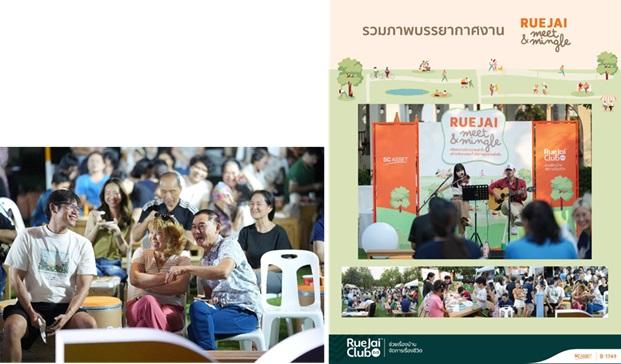
Protection of Customer Personal Data
To foster maximum confidence in the digital era, the Company implements measures to manage personal data and prevent security breaches, strictly adhering to legal requirements. Data access management is clearly defined and limited to authorised employees. (For further information, please refer to the “Corporate Governance Policy” section at https://www.scasset.com/en/sustainability/company-governance/ )
The Company has strictly adhered to the Personal Data Protection Act by implementing an intuitive data subject rights management system. This system enables customers to conveniently inform the Company of their intention to manage or terminate the use of their personal data through the Contact Centre. Due to the Company’s dedication to stringent data protection standards, in 2025, it received no complaints about customer data infringement and had no significant lawsuits concerning the violation of customer or stakeholder personal information rights or illegal use. This accomplishment demonstrates the highest level of the Company’s governance and accountability regarding customer personal data.
Innovation for High-Quality Products and Services for a Good Quality of Life for SC Residents
The Company is dedicated to designing operational processes and developing products to fulfil its mission of creating positive mornings for customers. This is achieved by fostering a #SCSkydive culture that encourages employees to think creatively, take risks, and innovate by understanding customer needs. The Company emphasises collaboration among the employees to enhance work processes, products, and services, ensuring they meet customer demands and improve quality of life through new innovations.
Internal Process and Product Innovation: The SC Evo Innovation 2025 Project
In 2025, the Company launched the Innovation Contest Project to foster innovation within the organisation and enhance work efficiency. This initiative is based on three main concepts aimed at creating value and benefits for the organisation:
Speed Up: Innovations that improve efficiency and speediness of work;
Save Up: Innovations that reduce costs or operating expenses;
Spark Up: Innovations that emerge from new approaches.
To accelerate the development, the Company upgraded the project’s concept by integrating all aspects of technological innovation, including artificial intelligence. This initiative aims to offer employees opportunities to utilise digital technology, automation tools, and AI to address work challenges and create innovative work processes.
The project welcomed all ideas from employees in all departments, resulting in 185 innovations being submitted. This reflects the organisation’s strong learning culture and commitment to continuous improvement. It also promotes the use of technology and AI to enhance the internal work efficiency and build long-term value and competitiveness for the Company.
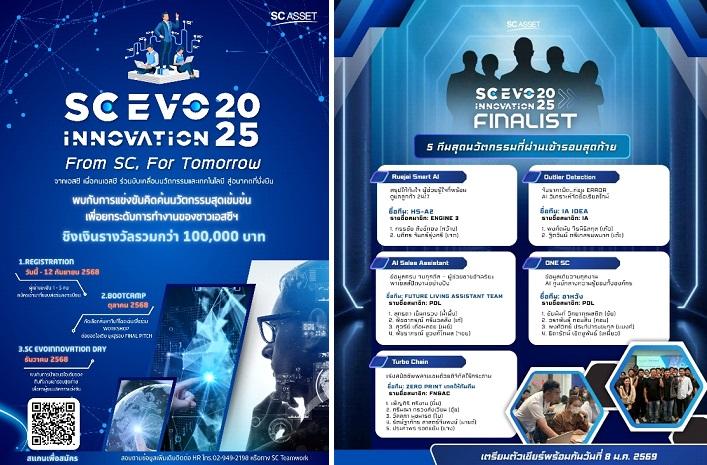
Innovative product Co-development with Key Partner: Slim-design and Space-Saving Water Storage Tank
The Company prioritises the practicality and durability of its residential product components, ensuring customers enjoy an enhanced quality of life. A significant issue was identified with the design of the 1,500-litre water storage tanks installed in every house of the Company’s low-rise projects. The tall cylindrical tanks available on the market were found to have an inefficient footprint, obstructing walkways and complicating routine sanitisation maintenance. In response, the Company collaborated with Thammasorn Co., Ltd., the manufacturer of "DOS Life" water storage tanks, to co-develop a new slim and space-saving design.
This innovative water tank design features a 30 cm reduction in diameter while maintaining a 1,500-litre capacity. The unit remains structurally robust, strictly adhering to SC’s quality material standards, while offering a 5–7% reduction in procurement costs compared to previous models. In 2025, through our strategic partnership with Thammasorn Co., Ltd., we successfully implemented this solution in 132 low-rise residential units, resulting in approximately 200,000 THB in direct cost savings. Crucially, this design also creates 1 square metre of additional usable space per unit for our customers, generating an estimated 5.79 million THB in added value based on the increased floor space efficiency.
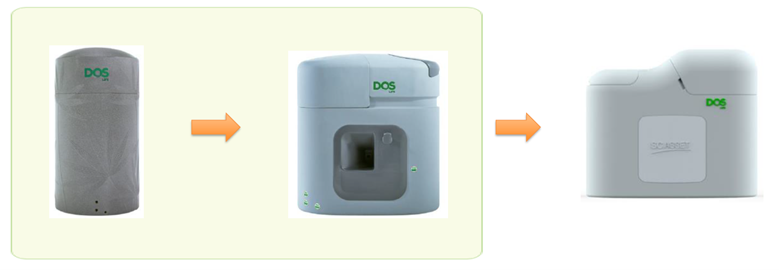
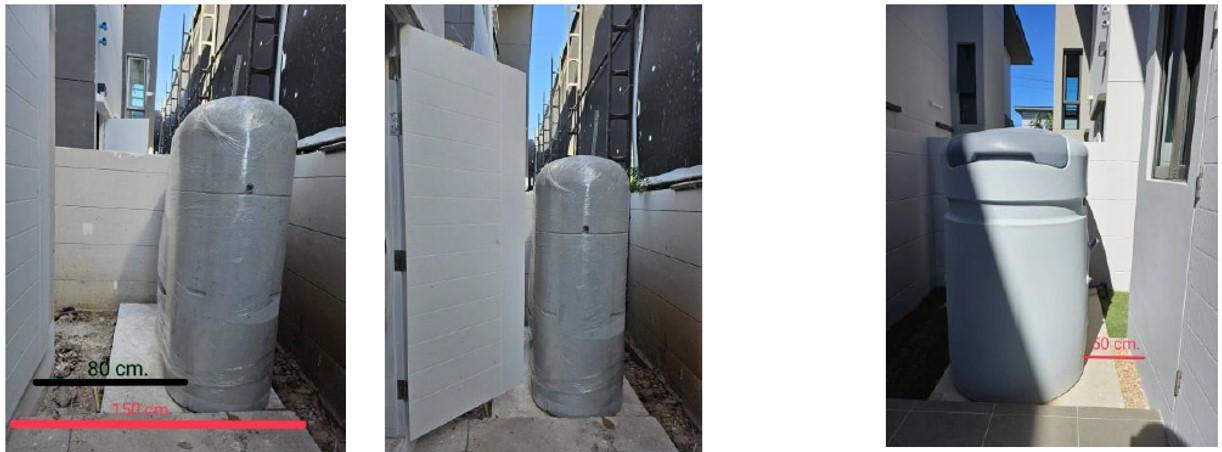
Process of the Co-development
SC | Business Partner |
|
|
|
|
|
|
|
|
This strategic partnership model project is an “open-innovation” supply chain management model to create shared value as follows:
Volume Commitment: The Company supports suppliers by ensuring the order volume aligns with the plan to expand procurement of the newly developed water tank to more product groups. This segment expansion gives business partners confidence to invest in moulds and develop long-term production processes, ensuring cost-effectiveness for the business partner.
Open Innovation Rights & Market Expansion: In the first year of water tank production, the Company has exclusively reserved distribution rights for its SC projects to distinguish and highlight the new product in its business. After this period, the Company encourages suppliers to commercially distribute the innovative Slim Design water tank to general customers. This creates opportunities for partners to enter new markets and increase revenue from jointly developed innovations.
This collaborative innovation empowers our business partner to introduce a highly competitive product with a unique, brand-specific design. Looking ahead to 2026 —following the exclusive period with SC— the partner aims to achieve sales of 5,000 units, representing an estimated market value of 120 million THB. This project exemplifies a successful 'Mutual Growth' strategy, where innovative development drives market expansion for our partners while reinforcing the Company’s leadership in sustainable design.
Community & Social — Plan & Guidelines
Introduction
As a property developer, the Company prioritises the well-being and safety of the communities surrounding our projects through a proactive community engagement strategy. We are committed to uplifting the local environment and ensuring public spaces are safe, accessible, and inclusive for all—specifically focusing on vulnerable groups and the wider society in our development areas. By integrating safety and environmental readiness into our operational standards, we aim to create long-term shared value and foster resilient, thriving neighbourhoods alongside our business growth.
Corporate Social Responsibility Guidelines:
Regeneration Project: The Company focuses restoring degraded or underdeveloped areas within the community to optimal condition. This effort aims to enhance public access to spaces and ensure the availability of safe housing for community members.
Community Engagement in the Predevelopment Phase: During the predevelopment phase of its projects, the Company conducts surveys and engages in discussions with the surrounding communities to identify their needs and the assistance required in each area near the Company’s projects.
Support for Vulnerable Groups: In addition to physical development, the Company offers support to vulnerable groups as needed, aiming to enhance their quality of life and improve their living environment.
These initiatives align with our commitment to operating our business with social responsibility by leveraging the Company’s expertise in land development to sustainably maximise community benefits.
Has a Community & Social Plan
No
Community & Social — Targets
Introduction
Implementation | 2025 Goal | 2025 Performance |
Investment for Social, Community, and Environmental Development | - | 4.06 million baht |
Empowering Careers through Inclusive Disability Employment | 15 persons | 15 persons |
People in communities who have directly benefited from our regeneration and area development projects | 10,000 persons | 14,500 persons |
Has Set Community & Social Targets
Yes
Targets
| Indicator | Target Areas | Target Year | Target Year — Description |
|---|---|---|---|
| Empowering Careers through Inclusive Disability Employment | 3042 · Description: Disadvantaged and vulnerable groups | 2,025 | 15 persons |
| People in communities who have directly benefited from our regeneration and area development projects | 3045 · Other name: Community Development and Area Regeneration Initiatives · Description: Others | 2,025 | 10,000 persons |
Community & Social — Performance & Outcomes
Has Performance Results
Yes
Performance Description
Empowering People with Disabilities
The Company has continued its effort to create career opportunities and improve the quality of life of people with disabilities in a tangible way by creating an equitable society and reducing inequality through 2 main mechanisms:
Employment in the inclusive value chain: The Company integrates social impact into its core business operations by fostering inclusive employment opportunities. Through a strategic partnership with Sandbox Air, we provide specialized air conditioning maintenance services performed by hearing-impaired technicians under the "RueJai" service platform. This initiative empowers individuals with disabilities to leverage their technical skills, generating stable income and fostering professional pride. As of 2025, our hearing-impaired technicians have successfully provided services to 56 RueJai Club households, maintaining over 150 units, and generating an estimated economic value of 118,000 THB.
Promoting Inclusive Employment via the Civil Society Network: The Company collaborates with the Mirror Foundation to enhance employment opportunities for individuals with disabilities through the “Jang Wan Kha (Hire Me)” project, and 15 individuals have been employed, broadening career access for those requiring special community support.
The Company is dedicated to becoming a socially inclusive organisation that sustainably generates income and enhances the human dignity of people with disabilities in Thai society.
Area Restoration Project to Create Social Value
The Company collaborates with Thaicom Foundation Network Partners to revitalise an old, unused area. Through the “The Present Haus” initiative, they are developing a Mindfulness Learning Centre that emphasises inner awareness, particularly for children and youth, who are the nation’s future. The space is designed as a model for conscious living in the present, encouraging inner awakening and meaningful growth. This project has turned the area into a vibrant social and intellectual hub for the Rajavithi community.
The Project’s Core Components consist of:
Heart Quarter (Exhibition & Workshop): The exhibition and activity space is crafted as a “safe space” for visitors to engage in mindfulness practices, forming the foundation of sustainable human capital development.
Headquarters (Co-stage & Co-working Space): This innovative area emphasises the exchange of inspiration and collaborative learning, fostering a community of knowledge that promotes positive change in thought and mindset.
The Present Haus Cafe: Merging the cafe lifestyle with mindfulness, this relaxation area serves as a meeting point, connecting people in the Rajavithi area and enhancing social well-being at the district level.
This project aims to establish a public space beneficial for the development of youth and citizens, equipping them with the skills to adapt and coexist harmoniously in society. It is expected that approximately 12,000 people will utilise the area annually.
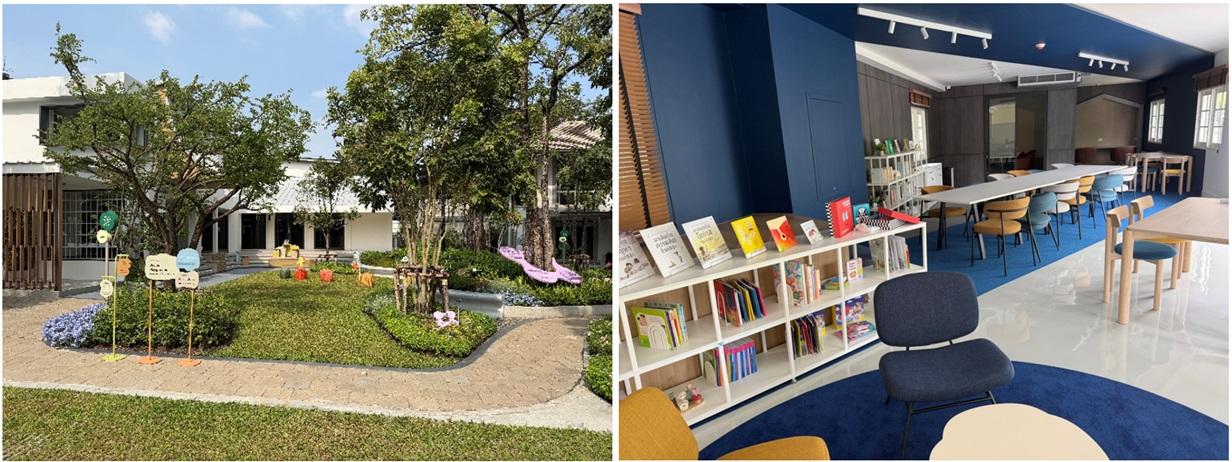
Project to Coordinate the Rehabilitation of Communities Affected by Floods in the Southern Region
In response to the 2025 floods in the southern region, the Company, along with social network partners, business partners, and volunteer employees, joined together to rehabilitate the quality of life for flood victims in the affected communities. The collaboration focused on assisting vulnerable groups, with two main organisations involved:
Thai Red Cross Society: The Company, in collaboration with its partners and employees, provided a total of 500,000 baht in budget support and urgent relief to assist flood victims. Additionally, the Company facilitated the establishment of a War Room, a Rescue Coordination Centre, patient transportation services, and temporary shelters for displaced flood victims. These joint efforts covered 9 provinces, 89 districts, and 595 sub-districts.
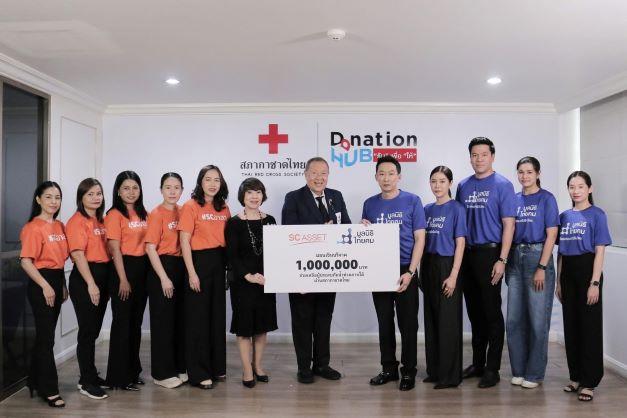
Mirror Foundation:The Company collaborates with partners and volunteer employees to aid in restoring flood-damaged areas and providing basic assistance to vulnerable groups. The company organised volunteer employees (#SCvolunteer)to prepare and pack fresh food, dry food, personal care items, cleaning supplies, and construction materials donated by business partners. These items were delivered to over 10 communities in the flood-affected areas of Hat Yai District, benefiting more than 2,000 people. Additionally, the company supported local volunteers in cleaning and restoring public spaces and homes of vulnerable groups, including patients, the elderly, children, people with disabilities, and low-income households, totalling 144 families.
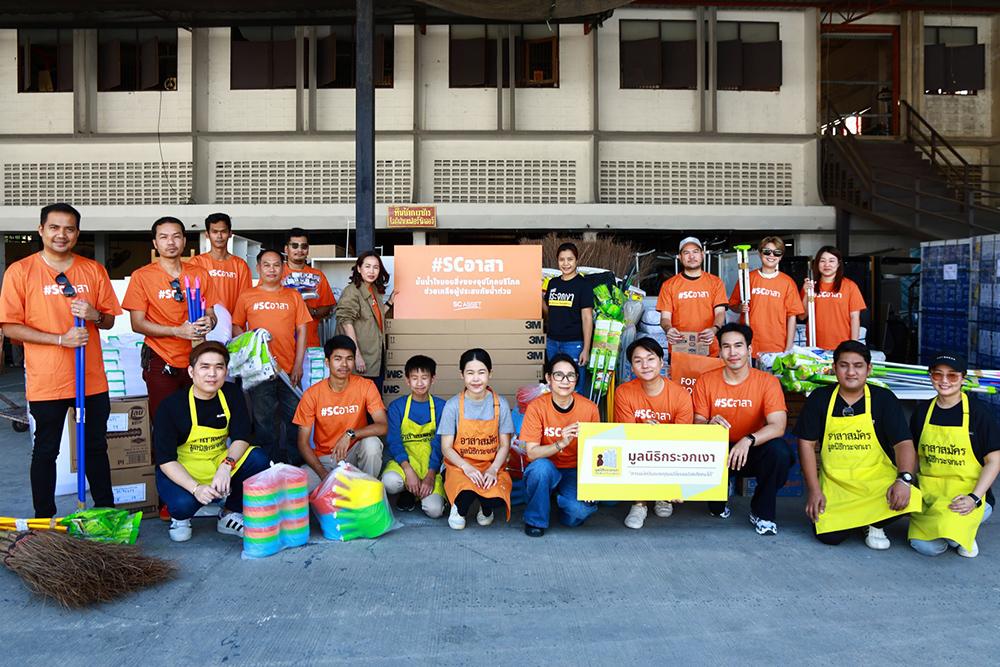
Other Social Management
Plan & Outcomes — Description
upplier Management and Supply Chain Management
Policies and Guidelines for Contractors and Suppliers
The Company emphasizes that contractors and suppliers conduct business with responsibility for environmental, social, and governance (ESG) principles, supports business practices aligned with the Company's policies, and encourages capability development to deliver products and services that meet standards, enabling partners to create high-quality work and products. This results in income and various benefits from collaborating with the Company, including opportunities for increased business, enabling them to develop competitive capabilities and grow sustainably alongside the Company.
The Company has established “Business Partner Policies and Practices”, “Procurement, Selection, and Business Partner Policies and Practices”, and “Skill Development Policy for Business Partner” outlined in the Company's Corporate Governance Policy to ensure fair and equitable treatment of all partners. All employees must operate according to the Company's "Procurement Regulations and Guidelines," requiring the establishment of a selection committee to evaluate supplier proposals under consistent criteria and conditions to ensure fairness for all parties, considering credibility, legal compliance with laws, regulations, and important practices, as well as fulfilling contractual obligations with contractors and suppliers.
New and existing contractors and suppliers must undergo selection and evaluation for new project procurement according to the Company's supplier selection policies and criteria, covering quality, experience, expertise, business or economic law compliance, and ESG dimensions. All suppliers must undergo regular risk assessments and performance evaluations.
(For further information, please refer to “Corporate Governance Policy”, “Policy and Guidelines and Practice towards Business Partners, “Policy and Practice Guidelines on Business Partner Selection Criteria”, “Partner Potential Development and Competency Policy”, and “Code of Conduct for Business Partner” at https://www.scasset.com/en/sustainability/company- governance/ )
Supply Chain Management
Effective supply chain management is foundational to operational continuity, cost efficiency, and the achievement of long-term strategic goals. By prioritising value creation across the entire value chain, the Company ensures business agility and fosters sustainable growth with our partners. Our comprehensive framework enables the continuous evaluation, monitoring, and mitigation of supply chain risks, while ensuring that material quality, competitive costing, and project delivery timelines are optimised.
The Company upholds the highest standards of transparency and integrity throughout the procurement lifecycle—from sourcing and tendering to post-delivery performance evaluation. Central to our strategy is the promotion of Environmental, Social, and Governance (ESG) principles among our suppliers. We strictly enforce the "Code of Conduct for Business Partner," ensuring all partners are informed of and aligned with our corporate governance standards. This Code of Conduct serves as a critical tool for screening 100% of new suppliers and conducting regular risk assessments of existing partners, ensuring a resilient and responsible supply chain that grows alongside the Company.
Supply Chain Management Strategy
1. Co-Value Creation The Company collaborates with its building materials suppliers to design and develop high-performance materials, aiming to compete in the market and deliver high-quality products to its customers. For example, it partnered with a home paint manufacturer to create a unique formula of home paints that provides exceptional durability and long-lasting performance. | 2. Green Collaboration The Company collaborates with suppliers in the supply chain to develop processes, products, and services that minimise environmental impact, which is essential for supporting sustainability and meeting stakeholder expectations. For instance, the Company works with suppliers to establish and collect a GHG emissions database from the production of its products, marking this initiative as a joint effort to reduce greenhouse gas (GHG) emissions. | 3. Well-being Corporation The Company collaborates with suppliers and business partners who promote the well-being of employees, as well as establishing cooperation based on shared safety values, adhering to a human rights-focused approach. |
Supplier Management Goals
Supplier Management in the Value Chain | 2025 Goal | 2025 Performance |
Suppliers are communicated and acknowledged of the Company’s Code of Business Conduct for suppliers. | 100% | 100% |
New suppliers were selected based on ESG and economic assessment (Pre-Q and ESG Self-assessment). | 100% of new suppliers (264 suppliers) | 100% of new suppliers (264 suppliers) |
Existing suppliers were selected based on ESG and economic assessment (ESG Self-assessment and Desktop Monitoring). | 80% of total order value (184 suppliers) | 81% of total order value (184 suppliers) |
Suppliers were selected based on ESG and economic assessment (Pre-Q, ESG Self-assessment, and Desktop Monitoring) | 444 Suppliers | 444 Suppliers |
Critical Tier 1 & Non-Tier 1 Suppliers completed on-site ESG and economic audits. | 50 Suppliers | 50 Suppliers |
Critical Tier 1 Suppliers completed on-site ESG & economic audits. | 48 Suppliers | 48 Suppliers |
Critical Non-Tier 1 Suppliers completed on-site ESG & economic audits. | 2 Suppliers | 2 Suppliers |
Identification of Critical Suppliers
The Company establishes clear criteria for identifying Critical Suppliers, categorised into those with direct business relationships (Critical Tier 1) and those without direct transactions but who are vital to the value chain (Critical Non-Tier 1). The criteria are defined as follows:
Critical Tier 1 Suppliers:
High-Volume Suppliers: Direct partners with a cumulative procurement value of 50 million THB or more.
Strategic Partners: Suppliers with significant impact on the Company’s competitive advantage in terms of quality and cost optimization.
Non-Substitutable Suppliers: Sole-source providers or those with limited alternatives for specialized products and services.
Long-Term Contractual Partners: Suppliers under long-term agreements with a total contract value exceeding 200 million THB.
Critical Non-Tier 1 Suppliers:
Indirect High-Volume Partners: Suppliers without direct transactions but possessing a procurement influence or volume equivalent to 50 million THB or more.
Strategic Indirect Partners: Providers critical to the Company’s strategic competitiveness, specifically affecting quality and cost structures within the supply chain.
Essential Indirect Providers: Suppliers of essential goods or services that are rare or difficult to replace in the market.
Suppliers in 2025 | Suppliers | Percentage |
Total suppliers in 2025 | 1,092 | 100% |
New suppliers in 2025 | 264* | 24% |
Critical Tier 1 | 48 | 50% of the total order value |
Critical Non-Tier 1 | 2 | 100% of Critical Non-Tier 1 |
Remark: *New suppliers have increased significantly from existing suppliers who have not purchased for more than 3 years and have notified their intention to participate in the tender again in 2025.
Selection of New and Existing Suppliers
The Company employs a systematic approach to selecting and evaluating suppliers to ensure its supply chain aligns with sustainable growth principles and consistently delivers high-quality products to customers. The supplier assessment encompasses various dimensions, including strategic factors such as sourcing, price fluctuations, and business competition, as well as raw materials traceability. Additionally, the Company has incorporated environmental, social, and governance (ESG) issue into its supplier selection process as a critical component.
Supplier Evaluation Criteria
Criteria for Technical and Quality
Quality of products and services
Adequate production capacity to meet demand
Capacity development and team expertise
Past works and experience
Period of product Warranty
Reliability and Market Reputation
Maintaining a valid and active business registration
Being a reputable company or brand in the industry.
No adverse financial history
No records of job abandonment
ESG Dimensions
Environmental:
Suppliers must implement environmental actions in compliance with applicable laws and regulations. They must establish effective measures to prevent, correct, and mitigate environmental impacts, and support policies aimed at reducing greenhouse gas emissions and coping with the impacts of climate change.
Social:
Suppliers must operate under the human rights principles and labour standards, prohibiting child or illegal labour in their businesses, while treating their employees and workers fairly and equitably.
Governance and Economic:
Suppliers must lead their organisations in accordance with good governance principles, ensuring transparency and honesty in their operations. This includes implementing clear anti-corruption policies and organisational sustainability strategies, such as risk management, innovation, and customer care.
Assessment Period
New Suppliers: Must pass the assessment before being registered (the Pre-vendor List)
Existing Suppliers: Be re-evaluated every 3 years (Approved Vendor List)
The supplier assessment ensures that the Company’s operations with both new and existing suppliers comply with its Corporate Governance Policy, as well as the social and environmental policies. If the assessment identifies significant issues with a supplier that could hinder sustainable growth in the supply chain, the Company will reconsider its business relationship with that supplier.
Selection of New and Existing Suppliers | Suppliers | Percentage |
Critical Tier 1 and Non-Tier 1 selected from ESG and Economic Evaluation Criteria | 50 | 100% of Critical Tier 1 & Non-Tier 1 Suppliers |
New suppliers selected from ESG and Economic Evaluation Criteria | 264 | 100% of New Suppliers |
Total suppliers selected from ESG Evaluation Criteria | 444 | 41%* of total suppliers |
Total suppliers selected from Economic Evaluation Criteria | 1,092 | 100% of total suppliers |
Remarks: *Accounting for 81% of the procurement value in 2025. The Company has adjusted its existing supplier selection plan based on ESG criteria by managing strategic suppliers from the procurement value chain to control supply chain risks and ensure that critical suppliers comply with the Company's sustainability standards.
Annual Risk Assessment Process and ESG Performance Evaluation of Suppliers
The company focuses on sustainable development by working with its suppliers and contractors to improve the value chain’s competitiveness and produce high-quality products, adhering to the Code of Conduct for Business Partners. It has combined the annual risk assessment of suppliers with their ESG performance evaluation by following these steps:
Screening
All partners have to carry out the Annual Supplier ESG Self-Assessment, so that the Company can track and evaluate the status of the supplier sustainability operations on a regular basis.
Annual Supplier Risk Assessment
The Company assesses the risks of its suppliers using criteria that cover both economic and ESG aspects, including the quality of work and products delivered to the Company, as well as the compliance with the Code of Ethics for Business Partners. According to the assessment, the Company classifies the risk levels of suppliers into 3 groups as follows:
Low Risk Supplier
Medium Risk Supplier
High Risk Supplier
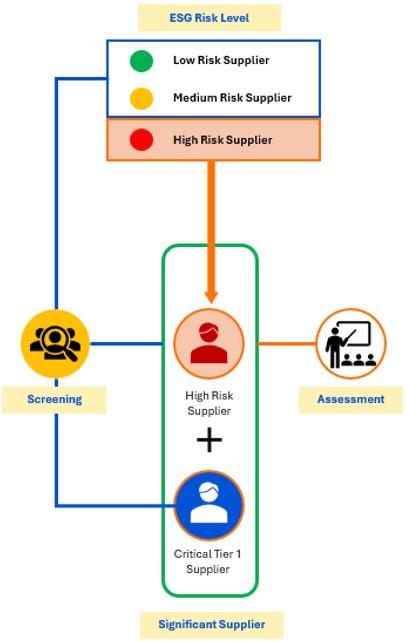
Conducting Supplier Evaluations Based on Risk Levels
The Company has developed guidelines for auditing and monitoring each supplier group based on their risk level.
Low-risk and medium-risk suppliers
Identify risks and explore corrective measures with suppliers.
Conduct supplier risk assessment every three years.
High-risk suppliers
Conduct supplier risk assessment at least once a year.
Conduct the in-depth desk assessment with surveyor quality assurance (SAQ) and request document methodology.
Conduct on-site audit in all of supplier’s facilities
Developing and Monitoring Corrective Actions
Following the audit, the Company will engage with high-risk suppliers to discuss the results and issue corrective action requests. Suppliers are expected to develop a plan to address their risk issues within the stipulated timeframe. If a supplier fails to implement the necessary corrective actions, the Company may consider postponing or terminating future procurement with that supplier. Additionally, the Company is actively working to mitigate risks and enhance ESG operational capabilities through focus group and capacity-building sessions, which may be tailored to the nature and specific needs of each supplier group.
Supplier Risk Assessment and ESG Performance | Suppliers | Percentage |
Risk-evaluated Suppliers (Critical Tier 1 and Non-Tier 1 Suppliers) | 50 | 100% |
Risk-evaluated Suppliers (New Suppliers) | 264 | 100% |
Risk-evaluated Suppliers with Potential Environmental Risk | 0 | 0 |
Risk-evaluated Suppliers with Potential Social Risk | 0 | 0 |
Risk-evaluated Suppliers with Potential Economic and Governance Risk | 0 | 0 |
Suppliers with Identified and Mitigated Potential ESG risk | 0 | 100% of Suppliers with Identified Risks |
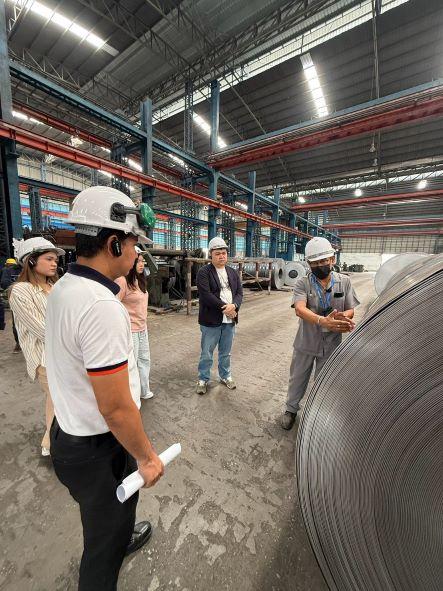
On-site ESG and Economic Performance Audit
In 2025, the Company conducted comprehensive ESG risk assessments and on-site audits of our suppliers. We are pleased to report that no suppliers were identified as high-risk in terms of economic or ESG criteria. Furthermore, the Company continuously evaluates economic risks associated with our supply chain, focusing on key areas such as supplier dependency (sole-sourcing risks), raw material price volatility, and potential operational disruption due to supplier insolvency or project abandonment. To proactively mitigate these risks, the Company implemented the following measures in 2025:
Direct Centralised Procurement: Increasing the proportion of direct procurement from manufacturers to enhance control over supply and quality.
Supplier Diversification: Expanding our network of partners and suppliers to support business growth and minimize the risk of over-dependency on single-source providers.
Cost Management & Strategic Sourcing: Implementing robust procurement strategies to monitor key material price fluctuations while actively sourcing low-carbon materials to align with our sustainability goals.
Business Potential Management and Development with Suppliers
The Company seeks feedback from contractors and suppliers to plan its work processes, foster mutual understanding, and share information with all suppliers and contractors. The Company conducts subgroup discussions with suppliers through online Zoom meetings and organises in-person meetings at general business settings or during special events called “Supplier Engagement Day.” Additionally, the Company has established four communication channels for suppliers: 1) the Company’s website, 2) LINE Official Account, 3) Voice of Vendor, and 4) through the Company’s representatives.
To drive sustainable development throughout our supply chain, we prioritise critical business and ESG topics to collaboratively develop supplier capabilities. We engage with our partners to communicate our 2025 business approach via these two primary engagement formats:
Focus Group: Arrange discussions to enhance product and service quality, aligning with the supplier selection policy and industry-specific policies, ensuring the Company’s value chain adheres to its guidelines. Address issues to foster cooperation with suppliers, particularly high-value or high-potential ones. In 2025, the Company will prioritise communication to enhance environmental management and production of low-carbon products through new manufacturer innovations.
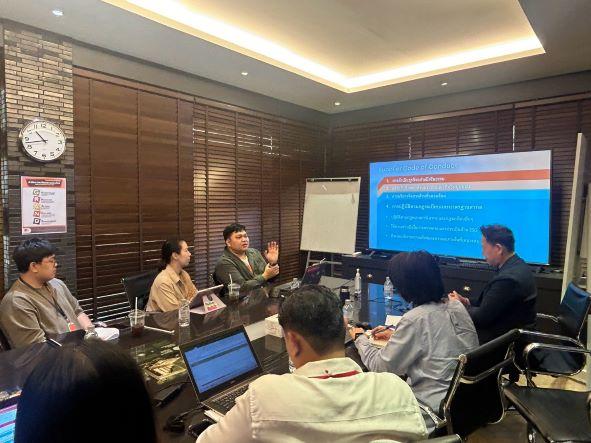
Suppliers Communication of ESG Guidelines in the Company’s Code of Conduct
Capacity Building: The Company prioritises the integration of sustainability into our product lifecycle by actively sourcing partners who share our commitment to sustainable innovation, occupant well-being, and environmental stewardship.
The Company organized a business seminar titled “SCero Together: Transforming the Future of Real Estate into Sustainability" with attendances from more than 100 business partners, including building materials manufacturers and distributors, contractors, and financial institutions, —to drive Green Procurement and reduce Scope 3 emissions. This initiative is a critical step toward our goal of reducing 100,000 tons of carbon equivalent by 2030. The seminar served as a platform for alignment on three strategic pillars:
1) Regulatory Landscape: Navigating emerging environmental laws and compliance requirements.
2) Market Trends: Capitalizing on the growing demand for eco-conscious products.
3) Affordable Green Solutions: Collaborating with manufacturers to enhance the accessibility and cost-competitiveness of sustainable materials.
The Company has set an ambitious target to ensure that over 95% of direct procurement value is derived from eco-friendly and health-conscious materials by 2026, reinforcing our dedication to a sustainable real estate industry.
(For more information, please refer to the section "3.3 Management of environmental sustainability".)
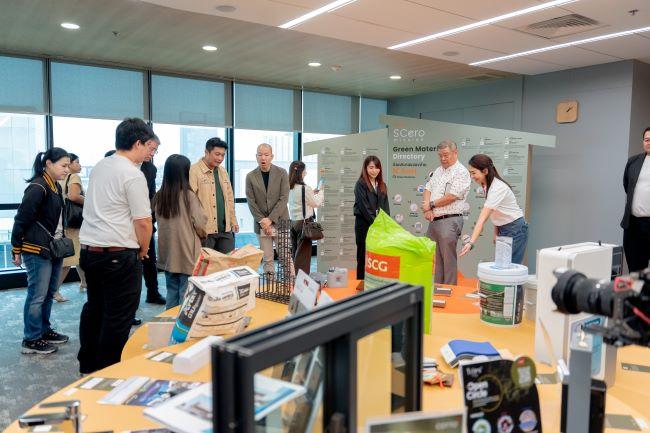
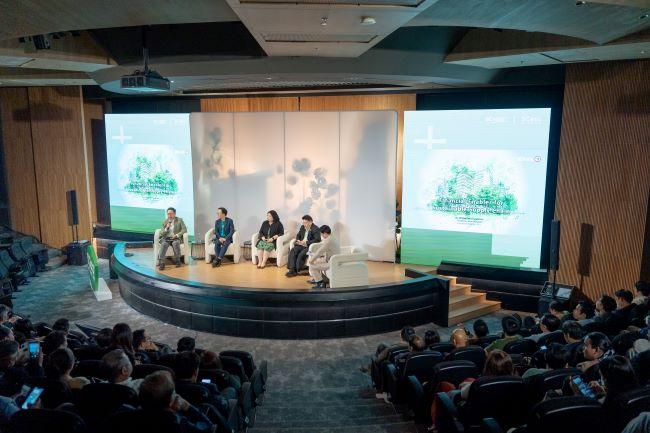
Procurement That Supports the Local Economy and Communities
The Company prioritizes supporting the local economy and communities by focusing on procuring from domestic manufacturers. In 2025, 80% of the Company’s total purchase orders were from domestic suppliers and manufacturers. This strategy not only lowers shipping costs from foreign manufacturers but also reduces reliance on foreign imports. Additionally, it creates opportunities for Thai entrepreneurs to develop sustainably alongside the Company.
To support the Company’s business partners in maintaining their operations, liquidity, and financial stability, the Company establishes a trade loan or credit repayment period of 30 days and ensures its debt repayment within this timeframe. In 2025, the Company average payment period to suppliers was at 30 days.
Law Violation Incidents
Introduction
The Company has no complaints about human rights violations, illegal labour, or impacts on the community and the environment in the Company's projects constructed and renovated in 2025. (For further information, please refer to the topic "Labour and Human Rights Complaints" in the "Social Performance during 2022 – 2025” at https://www.scasset.com/en/sustainability/sustainability/)
Law Violation Incidents
| Metric | Current Year | Previous Year | Two Years Ago |
|---|---|---|---|
| The total number of cases or incidents of significant violations of laws or regulations regarding social and human rights (Cases) | 0 | 0 | 0 |
| The total number of cases or incidents that cause significant labor disputes (Cases) | 0 | 0 | 0 |
| The total number of cases or complaints related to consumer rights violations (Cases) | 0 | 0 | 0 |
| The total number of cases or complaints related to partner rights violations (Cases) | 0 | 0 | 0 |
| The total number of cases or incidents that cause disputes with the community/society (Cases) | 0 | 0 | 0 |
| The total number of cases or incidents related to cyber security or customer data breaches (Cases) | 0 | 0 | 0 |
| The total number of cases or incidents related to safety and occupational health at work (Cases) | 0 | 0 | 0 |